
Corrosion Control Methods | Protect Industrial Assets | Nirvaan
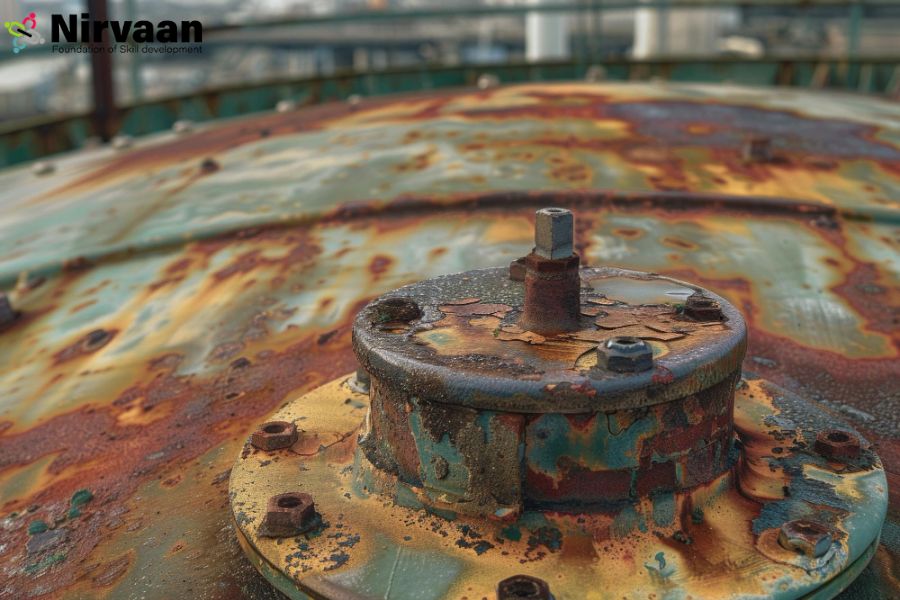
Corrosion represents a serious threat for industries relying on metal structures, pipelines, storage tanks, machinery and other crucial infrastructure. When metals react with their surrounding environment, deterioration can gradually affect the strength, reliability and service life of the metals. Corrosion can result in equipment failure, unplanned maintenance and increased operating costs if not properly protected.
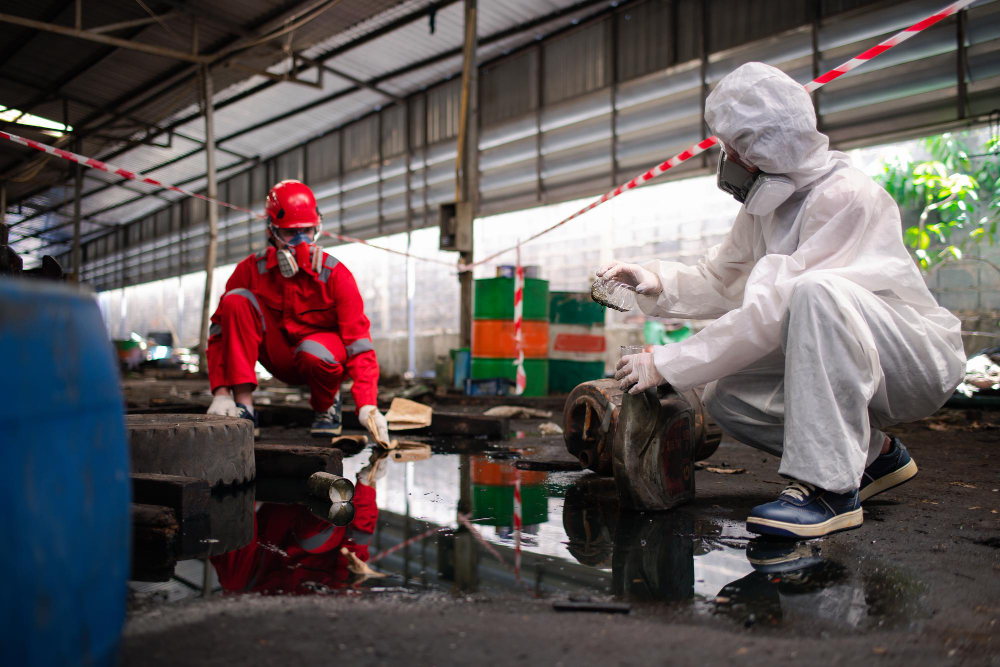
Knowledge of corrosion control methods enables an organisation to select appropriate protection strategies for varying operating conditions. There are several techniques that can help manage the risks of corrosion – from protective coatings to cathodic protection and regular inspection – if applied properly.
At Nirvaan – An Institute of Corrosion, we understand the significance of technical knowledge and practical skills in developing effective corrosion control practices.
What Causes Corrosion?
Corrosion is the degradation of a material (usually a metal) by chemical or electrochemical reaction with its environment. For example, steel will rust if it is exposed to moisture and oxygen. The rate and severity of deterioration can be affected by salts, chemicals, temperature and environmental conditions.
Corrosion does not occur at the same rate in every environment. Buried pipelines, marine structures, industrial equipment and atmospheric steelwork experience different exposure conditions. Therefore, choosing suitable corrosion control methods requires an understanding of the material, operating environment and expected service life.
Protective Coatings and Linings
Protective coatings are widely used to minimise the direct contact of a metal surface with corrosive agents. Depending on the coating system they can provide a barrier to moisture, chemicals, oxygen and other environmental factors.
The surface shall be prepared to the required specification before application. Contamination, poor surface preparation or application conditions can affect the performance of the coatings.
Inspection is just as important. Measurement of coating thickness, environmental monitoring and defect identification are used to determine if the system applied meets the specified requirements. Protective linings can also be applied to the interior of tanks, pipes and vessels where additional protection is required on internal surfaces.
Cathodic Protection
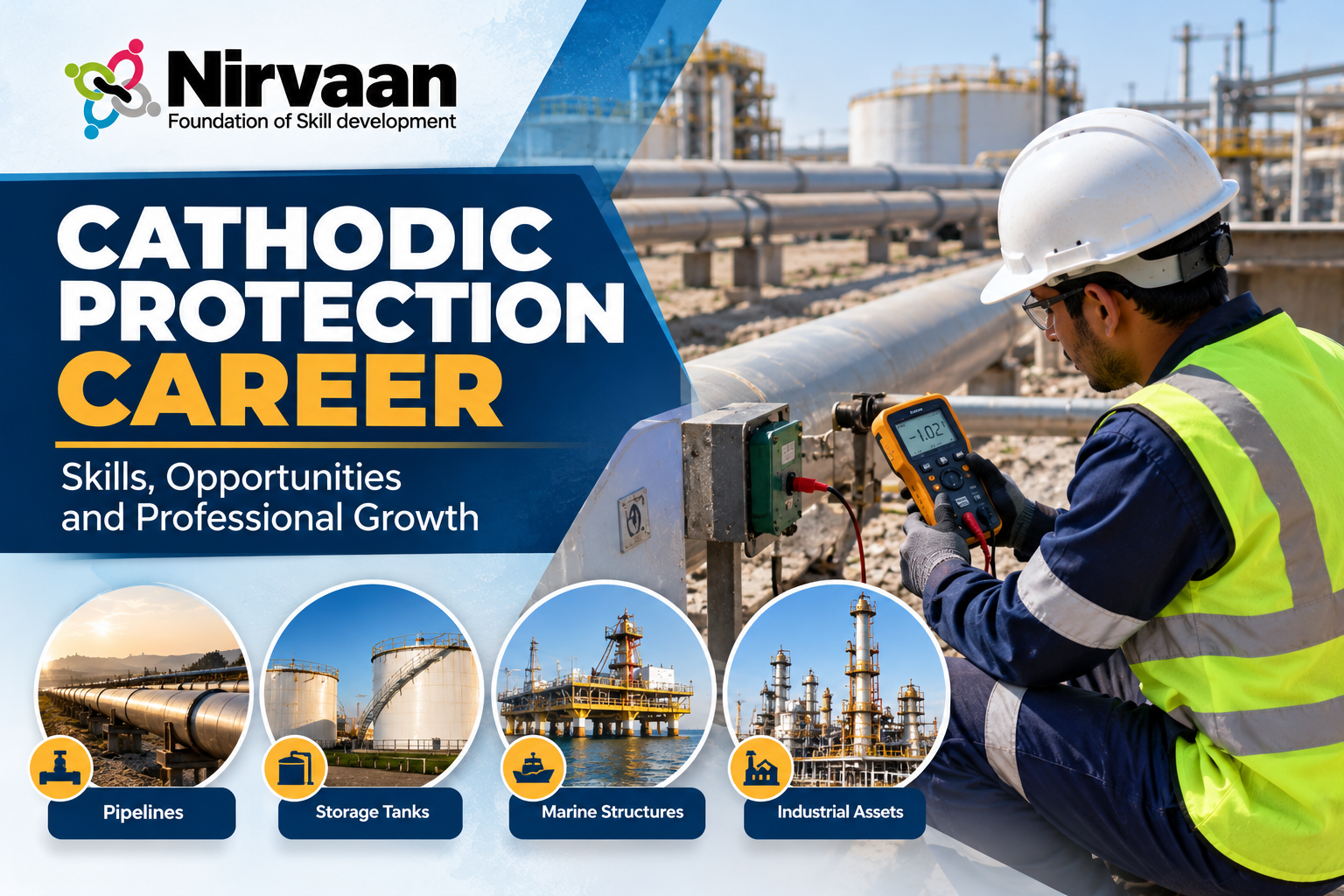
Cathodic protection is an electrochemical technique extensively applied for the control of corrosion of buried or submerged metallic structures. It is commonly found in pipelines, underground storage tanks and some marine facilities.
Cathodic protection is primarily of two types: galvanic, or sacrificial anode, protection and impressed current cathodic protection. In galvanic systems, the anode is made of a more active metal. In impressed-current systems, the protective current is supplied by an external power source.
Proper system design, installation, testing and monitoring are essential. Technicians conduct appropriate field measurements to assess performance and to identify conditions that may need to be investigated. Coatings are commonly used with cathodic protection to provide complementary protection.
Material Selection and Design
The selection of appropriate materials is another important corrosion-control strategy. Depending on the environment it is to be exposed to, and its service requirements, stainless steel, corrosion-resistant alloys and non-metallic materials may be suitable for particular applications.
However, there is no material that is resistant to all corrosive conditions. The choice of a material must take into account its chemical composition, temperature, stress and contact with dissimilar metals.
Good engineering design also reduces the risks of corrosion. To improve the effectiveness of a corrosion-control plan, consider avoiding unnecessary moisture traps, providing drainage, considering access for inspection, and controlling contact between dissimilar metals.
Corrosion Inhibitors and Environmental Management
Corrosion inhibitors are substances that reduce corrosion under suitable conditions. They may be added to industrial fluids or process systems to help limit corrosive reactions.
Their effectiveness depends on factors such as concentration, temperature, fluid chemistry and system operation. Incorrect selection or application may reduce their effectiveness, so inhibitors should be chosen and monitored by appropriately qualified personnel.
Environmental management can also contribute to corrosion control. Where practical, controlling moisture, limiting contaminant exposure and maintaining suitable operating conditions can help reduce corrosion risks.
Inspection, Monitoring and Preventive Maintenance
Inspection and monitoring can assist organisations to detect corrosion before it progresses. Depending on the asset these activities could involve visual inspection, thickness measurements, coating assessment, cathodic protection testing and other appropriate examination techniques.
Inspection findings shall be documented and evaluated against the applicable standards, specifications and operating requirements. Monitoring trends over time may assist maintenance teams in determining when additional evaluation or corrective action might be warranted.
Preventive maintenance should be driven by asset condition, risk, operating environment and inspection results, not just fixed schedules.
Why Skilled Professionals Matter in Corrosion Control
Effective corrosion management depends on selecting suitable techniques and applying them correctly. Professionals need to understand corrosion mechanisms, material behaviour, inspection procedures and the limitations of different protection systems.
At Nirvaan – An Institute of Corrosion, we believe that industry-focused training helps professionals connect theoretical knowledge with practical applications. Developing skills in coating inspection and cathodic protection can support more informed decisions, reliable inspection practices and responsible asset management.
Frequently Asked Questions
What are the most common corrosion control methods?
Common methods include protective coatings, cathodic protection, suitable material selection, corrosion inhibitors and preventive maintenance. The most appropriate approach depends on the metal, environmental conditions and operating requirements. Combining compatible techniques may provide more effective protection.
How do protective coatings prevent corrosion?
Protective coatings create a barrier between the metal surface and corrosive environmental factors such as moisture, oxygen and chemicals. Their performance depends on suitable surface preparation, correct application and inspection. Damaged or poorly applied coatings may require repair.
Why is regular corrosion inspection important?
Regular inspection helps identify deterioration, coating defects and potential protection-system problems. Documented findings allow organisations to assess asset condition and plan appropriate maintenance. Inspection methods should be selected according to the asset, environment and applicable requirements.
Conclusion: Nirvaan’s Perspective on Corrosion Control
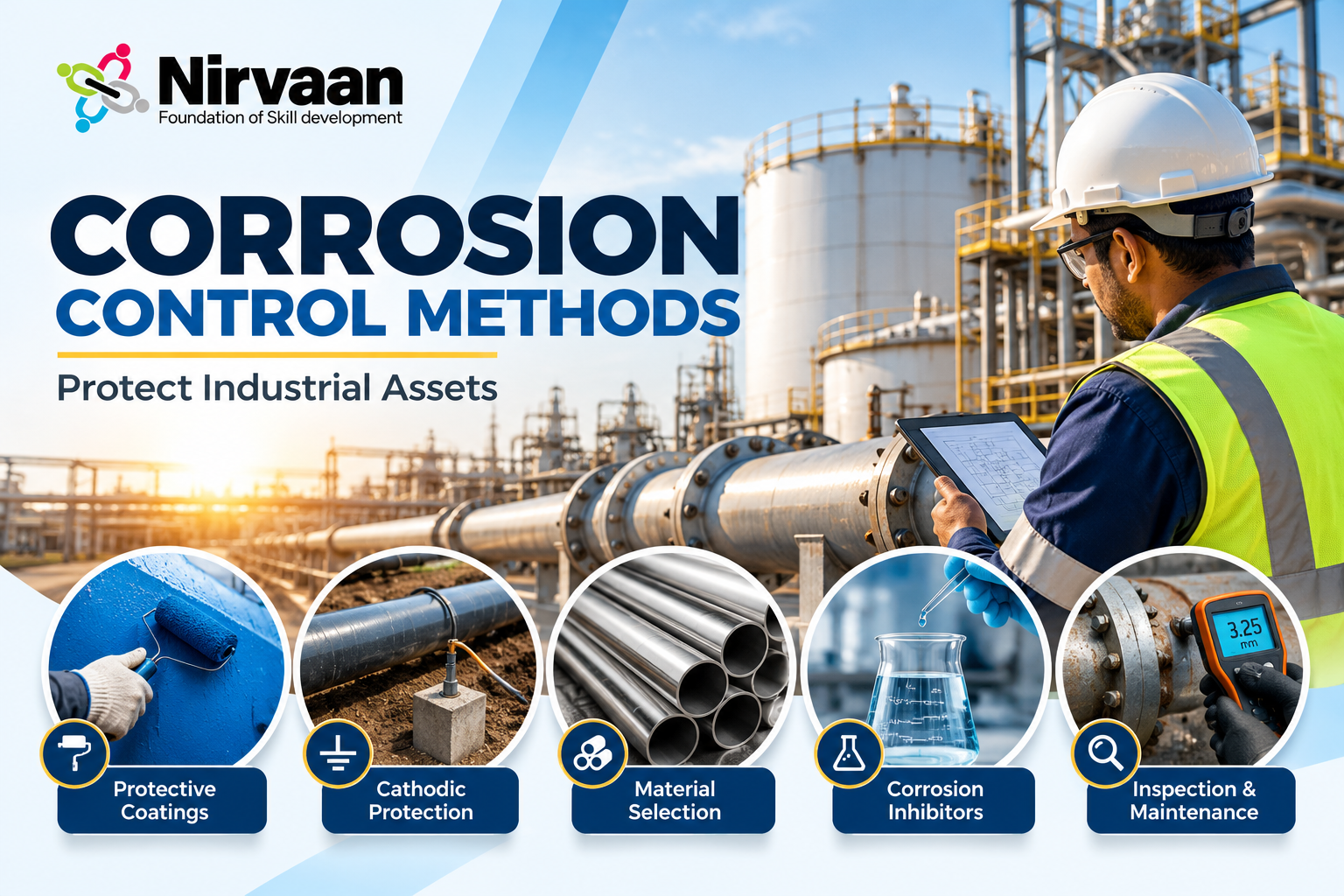
No single technique can address every corrosion challenge. Effective corrosion control methods depend on the material, environment, asset design and operating conditions. Combining suitable protection systems with regular inspection, monitoring and maintenance can help organisations manage deterioration and support infrastructure reliability.
At Nirvaan, we aim to promote corrosion awareness and develop technical skills that contribute to safer, more sustainable industrial practices. By building knowledge and practical competence, professionals can play an important role in protecting valuable assets and improving corrosion management.
Image Reference: Magnific
Disclaimer: All trademarks, logos, and brand names are the property of their respective owners. All company, product, and service names used in this website are for identification purposes only. Use of these names, trademarks, and brands does not imply endorsement.