
Causes and Effects of Corrosion | In-Depth Understanding | Nirvaan
Corrosion , the gradual degradation of materials through chemical reactions with their environment , is a major problem in many industries . Understanding the causes and effects of corrosion is of paramount importance for the development of effective preventive measures and for minimising its detrimental effects.
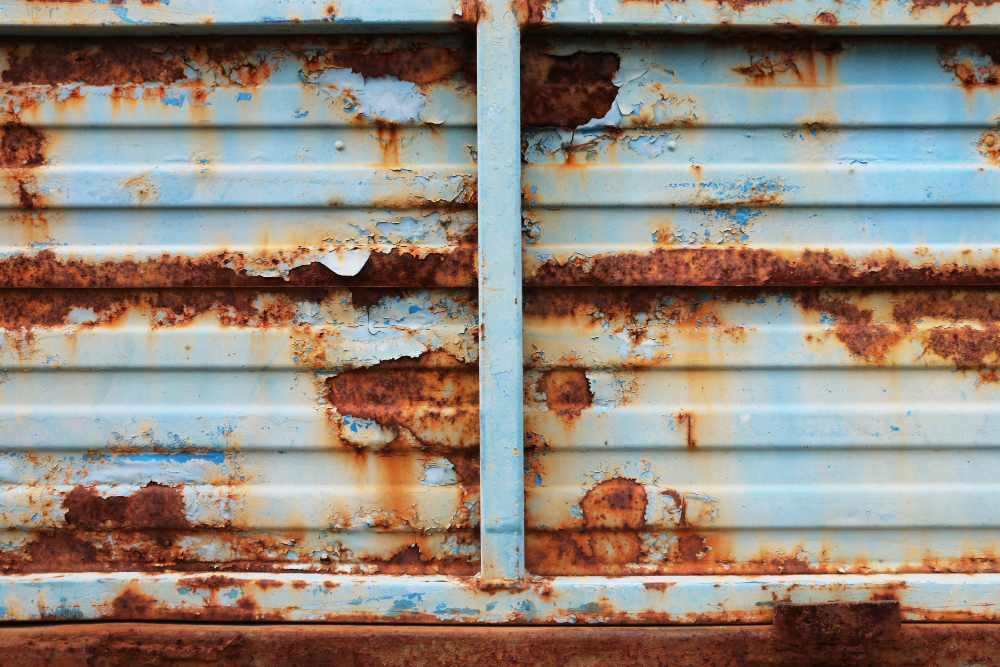
Corrosion refers to the gradual degradation or destruction of materials, usually metals, due to chemical or electrochemical reactions with their environment. This process often leads to the formation of rust, tarnish, or other undesirable compounds on the surface of the material. Corrosion can weaken structures, reduce functionality, and ultimately lead to failure if left unchecked.
Importance of understanding its causes and effects
Economic Impact: Corrosion costs industries billions of dollars annually in maintenance, repair, and replacement of corroded materials and structures. By understanding corrosion, industries can implement preventive measures to mitigate these costs.
Safety: Understanding the Causes and Effects of Corrosion is crucial, as corrosion can compromise the structural integrity of buildings, bridges, pipelines, and other infrastructure, posing significant safety risks. Understanding corrosion helps engineers and designers create safer structures and systems by implementing preventive measures to mitigate the detrimental effects of corrosion over time.
Environmental Concerns: Corrosion often involves the release of harmful chemicals into the environment, which can pollute soil, water, and air. By understanding corrosion mechanisms, industries can develop eco-friendly corrosion prevention and mitigation strategies that address the Causes and Effects of Corrosion.
Longevity of Assets: Understanding corrosion helps extend the lifespan of materials and structures. By identifying corrosion-prone areas and implementing protective measures, assets can remain in service for longer periods, reducing the need for frequent replacements.
Reliability of Systems: Corrosion, a pervasive phenomenon, can disrupt the functioning of critical systems, such as electrical circuits, transportation networks, and industrial machinery, highlighting the interconnected Causes and Effects of Corrosion. By comprehending the intricacies of corrosion, engineers can proactively design systems with built-in corrosion resistance, ensuring reliable operation and minimizing the detrimental impacts of corrosion-related failures.
Causes of Corrosion Explained
Chemical Reactions
Electrochemical Corrosion: Electrochemical corrosion occurs when metals are exposed to an electrolyte, such as water or an aqueous solution containing ions. It involves an electrochemical reaction where one part of the metal acts as an anode (loses electrons) and undergoes oxidation, while another part acts as a cathode (gains electrons) and undergoes reduction. This process accelerates the corrosion rate.
Chemical Corrosion: Chemical corrosion, also known as direct chemical attack, occurs when metals react with specific chemicals in their environment. These reactions can occur without the presence of an electrolyte and often result in the formation of corrosion products such as oxides, sulfides, or chlorides.
Environmental Factors
Moisture and Humidity: Moisture and high humidity levels create conditions conducive to corrosion by providing the necessary electrolyte for electrochemical reactions to occur, thus contributing to the Causes and Effects of Corrosion. Water facilitates the transfer of ions between the metal surface and its surroundings, accelerating corrosion rates.
Oxygen: Oxygen is a primary contributor to corrosion, particularly in metals susceptible to oxidation. Oxygen reacts with the metal surface to form metal oxides, which weaken the material and lead to corrosion. This process is commonly known as oxidation corrosion.
pH Levels: pH levels influence corrosion by affecting the chemical stability of metals and their susceptibility to corrosion. Highly acidic or alkaline environments can accelerate corrosion rates by promoting chemical reactions that degrade the metal surface.
Temperature: Temperature plays a crucial role in the Causes and Effects of Corrosion kinetics, with higher temperatures generally accelerating corrosion processes. Elevated temperatures can increase the rate of chemical reactions, promote the diffusion of ions, and accelerate the degradation of materials.
Material Properties
Composition: The composition of a metal, including its alloying elements, determines its susceptibility to corrosion. Some metals, such as stainless steel and aluminum, form protective oxide layers that inhibit corrosion, while others, like iron, are more prone to corrosion.
Surface Condition: Surface defects, such as scratches, pits, or cracks, can act as sites for corrosion initiation by providing pathways for corrosive agents to penetrate the metal surface. These defects contribute to the Causes and Effects of Corrosion, as they facilitate the corrosion process and ultimately lead to structural damage and economic losses.
However, surface treatment such as coating or passivation can effectively mitigate the corrosion by improving corrosion resistance and protecting the metal from the environment exposure. Industries can treat these surface imperfections and use protective measures to minimise the deleterious Effects of Corrosion and increase the service life of materials and structures.
Presence of Impurities: Impurities in the metal structure can influence its corrosion resistance. For example, the presence of certain elements or inclusions can create galvanic couples, accelerating corrosion rates. Purifying metals and alloys can improve their corrosion resistance and durability.
Effects of Corrosion Explained
Structural Damage
Reduction in Material Strength: Corrosion, as one of the fundamental Causes and Effects of Corrosion, can weaken the structural integrity of materials, leading to a decrease in their load-bearing capacity and mechanical strength. This reduction in strength compromises the safety and reliability of structures and components, increasing the risk of failure.
Loss of Material Thickness: Continuous corrosion gradually erodes material surfaces, causing a reduction in thickness over time. Thinning of structural components compromises their ability to withstand stress and may lead to catastrophic failures, especially in critical applications such as pipelines, bridges, and pressure vessels.
Cracking and Fracturing: Corrosion-induced stress concentrations can promote the initiation and propagation of cracks in materials. Cracking and fracturing further weaken structural components, making them susceptible to sudden failure. In welded structures, corrosion can exacerbate stress corrosion cracking, leading to premature failure.
Economic Impact
Repair and Maintenance Costs: Corrosion necessitates frequent inspection, maintenance, and repair of affected structures and equipment. The costs associated with corrosion-related maintenance activities, such as cleaning, coating, and corrosion inhibitor application, can be substantial and significantly impact operational budgets.
Replacement Expenses: Severe corrosion damage may require the replacement of entire components or structures, leading to significant capital expenditures. Replacement costs encompass not only the materials and labor involved but also the associated downtime and disruption to operations.
Downtime and Loss of Productivity: Corrosion-related failures often result in unplanned downtime, causing disruptions to production schedules and reducing overall productivity. Equipment breakdowns and repair activities associated with corrosion can halt operations, resulting in revenue losses and reduced efficiency.
Safety Hazards
Structural Damage: Corrosion can damage the structural integrity of buildings, bridges, pipelines and other infrastructure. Corrosion-induced structural failures can lead to catastrophic events, endangering lives and causing large property damage. Understanding the causes and effects of corrosion underlines the importance of taking proactive steps to prevent and manage corrosion-related risks, thereby safeguarding the resilience and safety of crucial infrastructure systems.
Environmental Contamination: Corrosion can lead to the release of hazardous substances and pollutants into the environment. Leaks from corroded pipelines, storage tanks, or industrial equipment can contaminate soil, water bodies, and air, posing environmental risks and requiring costly cleanup and remediation efforts.
Health Risks: Corrosion-related environmental contamination may expose individuals to toxic chemicals, heavy metals, or other harmful substances, posing health risks such as respiratory problems, skin irritation, or long-term health effects. Occupational exposure to corrosion products and by-products can also pose health hazards to workers in affected industries.
Prevention and Control Methods
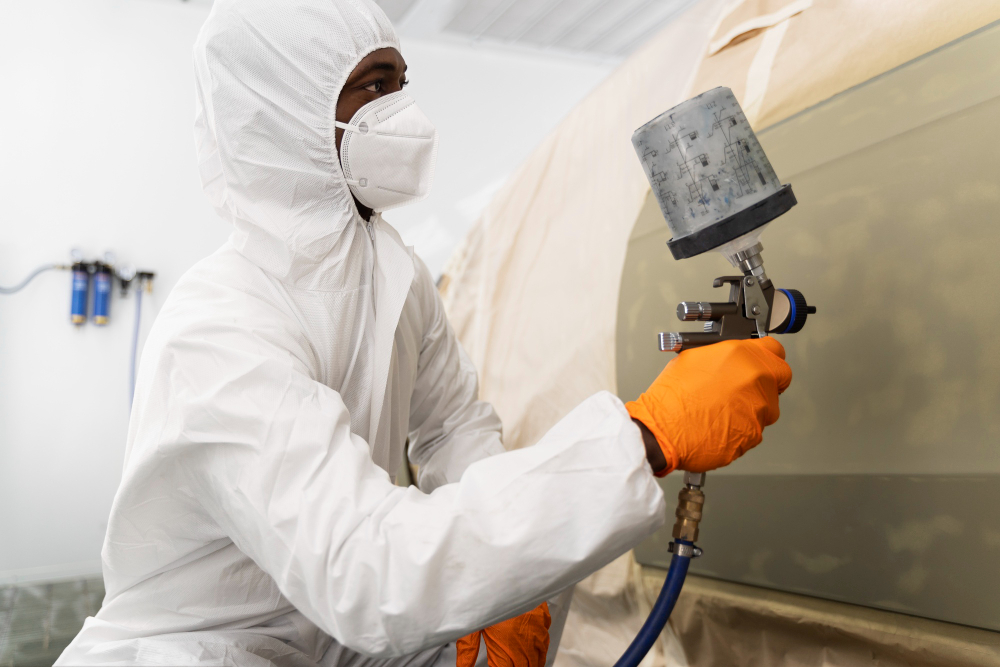
Material Selection: Selecting corrosion-resistant materials based on the environmental conditions and exposure to corrosive agents can help reduce the impact of corrosion. Causes and Effects of Corrosion – Choosing Alloys or Coatings that possess corrosion resistance inherently, prevents deterioration over time. By considering corrosion resistance at the beginning of material selection and design, industries can extend the life of assets, reduce maintenance costs, and minimise the risk of corrosion-induced structural failures.
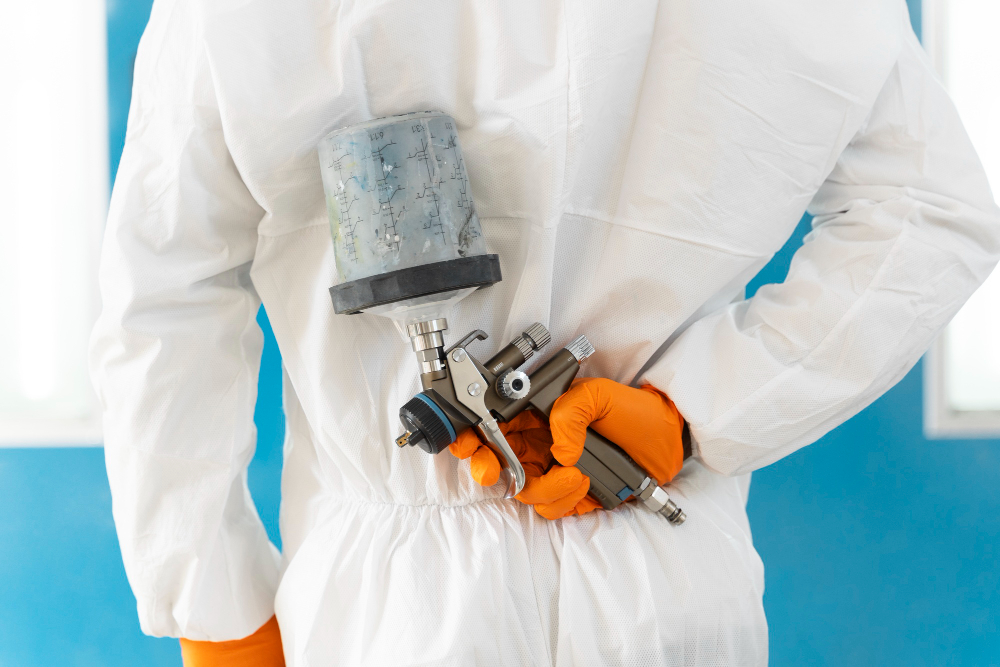
Protective Coatings: Applying protective coatings, such as paints, epoxy coatings, or galvanization, creates a barrier between the metal surface and the corrosive environment. These coatings inhibit moisture and oxygen ingress, reducing the likelihood of corrosion initiation and progression. Effective coating systems address both the causes and effects of corrosion by providing long-term protection to substrates.
Cathodic Protection: Cathodic protection systems, such as sacrificial anode and impressed current systems, prevent corrosion by intentionally supplying electrons to the metal surface, thereby reducing the likelihood of oxidation. By controlling the electrochemical reactions that drive corrosion, cathodic protection methods effectively mitigate the effects of corrosion on metal structures, prolonging their lifespan.
Environmental Control: Implementing measures to control environmental factors, such as humidity, temperature, and chemical exposure, can mitigate the causes and effects of corrosion. Utilizing climate-controlled environments, corrosion inhibitors, and proper ventilation systems helps minimize the corrosive impact of the surrounding atmosphere on materials and structures.
Regular Inspection and Maintenance: Conducting routine inspections and proactive maintenance activities allows for early detection of corrosion-related issues and timely intervention to prevent further damage. Regular cleaning, corrosion monitoring, and surface treatments help preserve material integrity and address corrosion before it escalates, minimizing the long-term effects of corrosion on infrastructure and equipment.
Frequently Asked Questions
How does moisture contribute to corrosion?
Moisture facilitates the electrochemical processes that cause corrosion, especially in metals. It acts as an electrolyte, allowing electrons to flow between anodic and cathodic areas, leading to material degradation.
How does corrosion impact the economy?
Corrosion results in substantial economic costs due to repair, maintenance, and replacement of damaged components. It also leads to downtime and productivity losses in affected industries.
What safety hazards are associated with corrosion?
Corrosion can lead to structural failures, posing risks to human safety. It can also cause environmental contamination and health hazards due to the release of harmful substances.
Closing Insights
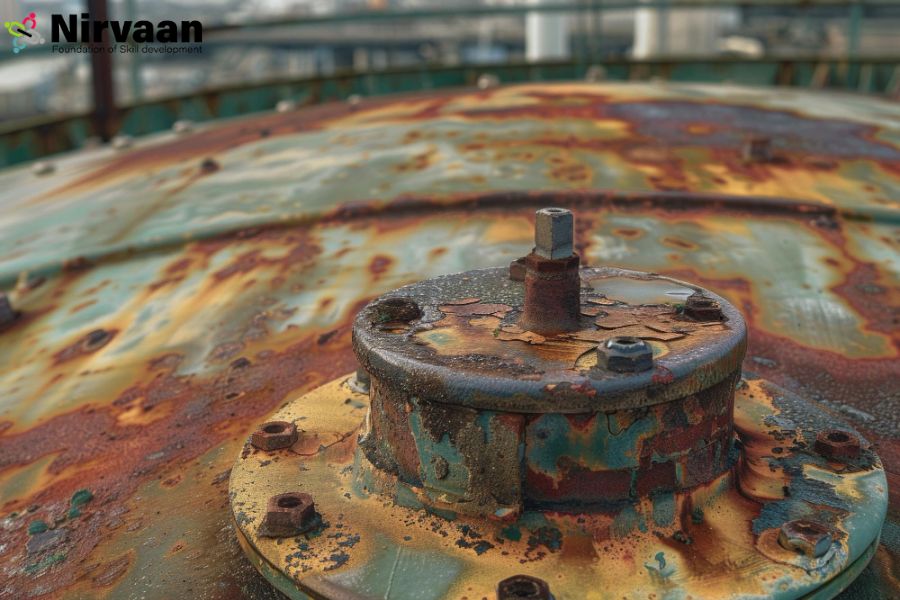
Nirvaan as Institute of Corrosion knows the importance of Knowing the Causes and Effects of Corrosion. With this knowledge, industries can effectively address the negative impacts of corrosion on infrastructure, economy and environment.
Through extensive research on the causes and effects of corrosion, Nirvaan seeks to empower industries with the knowledge and tools needed to adopt proactive corrosion prevention and mitigation techniques. Nirvaan employs research, education and training to assist professionals in safeguarding assets, enhancing safety and promoting sustainability.
In conclusion, Nirvaan encourages a holistic approach to corrosion control, emphasising the significance of comprehending the Causes and Effects of Corrosion, adopting proactive strategies, and promoting collaborations to ensure the durability, safety, and sustainability of infrastructure and assets for generations to come.
Image Reference: Freepik
Disclaimer: All trademarks, logos, and brand names are the property of their respective owners. All company, product, and service names used in this website are for identification purposes only. Use of these names, trademarks, and brands does not imply endorsement.