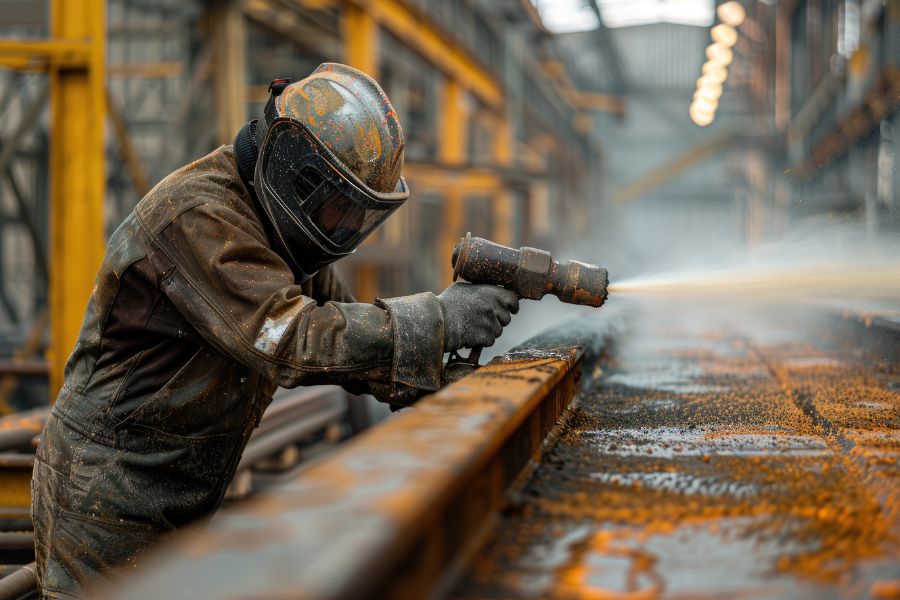
Protective coatings act as a shield against environmental factors like moisture, chemicals, and abrasion. They are used to preserve industrial assets, infrastructure, and equipment, preventing premature wear and costly repairs.
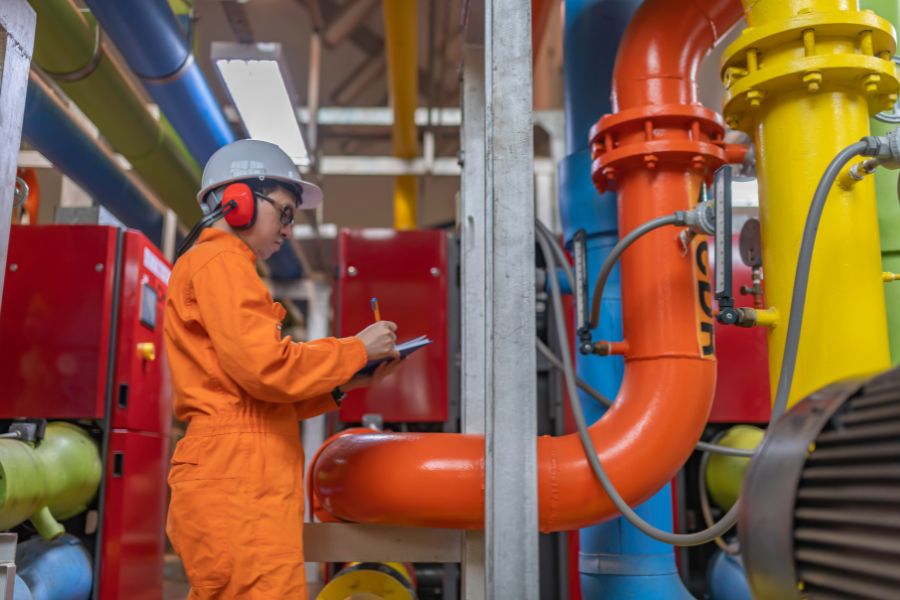
Protective coatings prevent corrosion in pipelines, ensuring the safety and longevity of critical infrastructure.

Coatings protect ships, offshore rigs, and marine assets from saltwater corrosion, improving durability and performance.
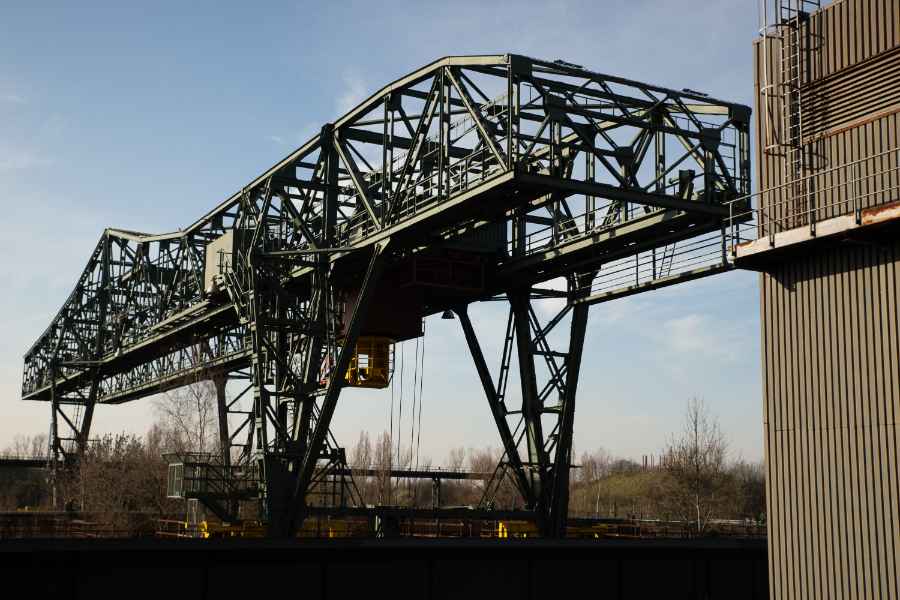
Coatings preserve bridges and steel structures from corrosion, enhancing lifespan and reducing costly repairs.
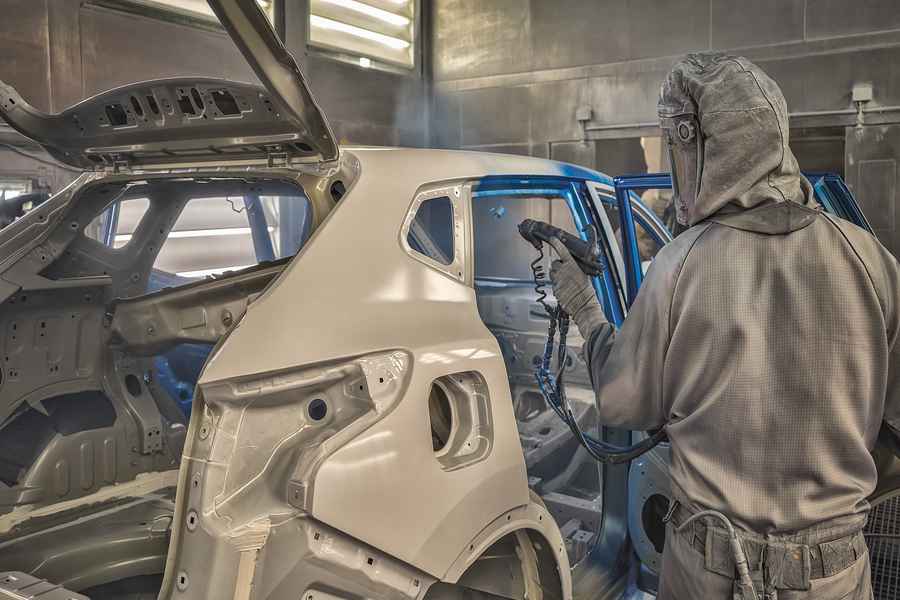
Protective coatings safeguard vehicles and aircraft from corrosion, ensuring safety, functionality, and longevity.
Have questions about corrosion awareness, training programs, or collaborations? Check out our most common queries below.
A coatings inspector checks whether protective coating work meets the applicable project specifications and quality requirements. The work may involve examining surface preparation, coating application conditions, film thickness and visible defects. Effective inspection helps identify potential quality issues early and supports the long-term performance of coated assets.
Protective coatings form a barrier between a material and environmental conditions that can cause deterioration. They help protect pipelines, bridges, marine structures and industrial equipment from moisture, chemicals, saltwater and abrasion. Selecting and applying the correct coating system can improve durability, reduce maintenance requirements and extend asset life.
Before application, the surface should be assessed for cleanliness, contamination, rust, existing coating damage and other conditions that could affect adhesion. Surface preparation requirements must be established according to the coating specification and the substrate involved. Environmental conditions, including temperature, humidity and surface temperature, should also be checked where required by the product instructions.
Coating inspection can identify problems such as inadequate surface preparation, uneven application, insufficient thickness and visible coating defects. Detecting these issues during the project allows corrective action before the coating system enters service. Appropriate inspection records also help demonstrate whether the completed work meets the specified quality requirements.
Professional coatings inspectors are valuable in oil and gas, marine engineering, offshore operations, construction, infrastructure, automotive and aerospace applications. These industries use protective coatings to preserve equipment, structures and components exposed to demanding environmental or operational conditions. The inspection methods required vary according to the substrate, coating system, service environment and project specifications.
Coating application involves preparing a surface and applying the specified protective coating using suitable materials, equipment and techniques. Coating inspection focuses on assessing the quality of the preparation and application, along with compliance with relevant specifications and acceptance criteria. Although the roles work closely together, application delivers the coating system while inspection evaluates whether the work meets the required standards.
Nirvaan’s Coatings Inspector Program introduces the importance of protective coatings in corrosion prevention and industrial asset protection. Understanding coating performance, inspection requirements and common quality issues can help professionals build relevant technical knowledge. Individuals interested in specialist inspection roles should explore the programme and the applicable certification pathway that matches their existing qualifications and experience.
Participate, volunteer, or donate to help spread corrosion awareness and prevention methods.
WhatsApp us