

Cathodic Protection is a method used to prevent metal corrosion by making the metal surface the cathode of an electrochemical cell. This technique is widely used in industries to extend the lifespan of pipelines, storage tanks, and marine structures.

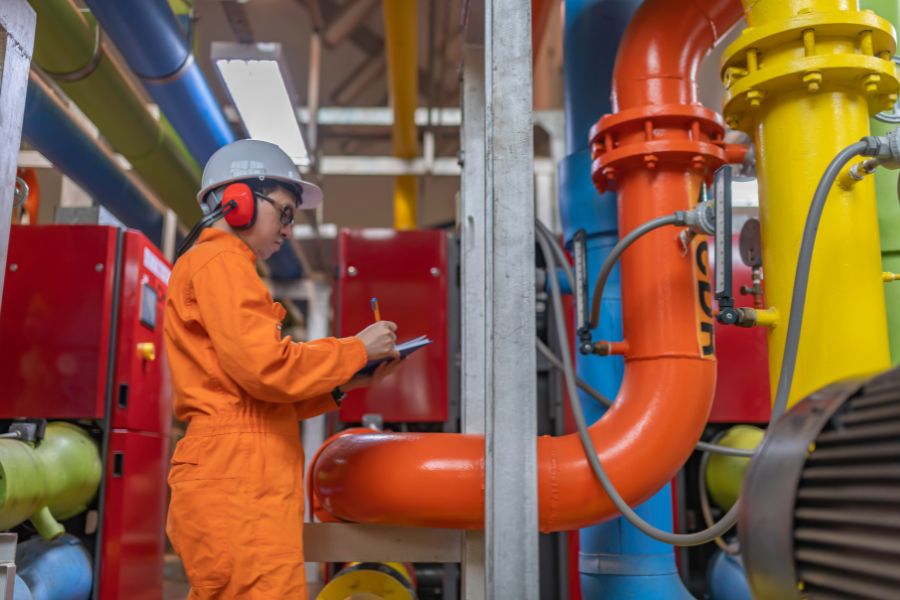
Protects pipelines and underground infrastructure from corrosion, ensuring long-term reliability and operational safety.

Shields ships and offshore structures from corrosive seawater, extending their lifespan and efficiency.
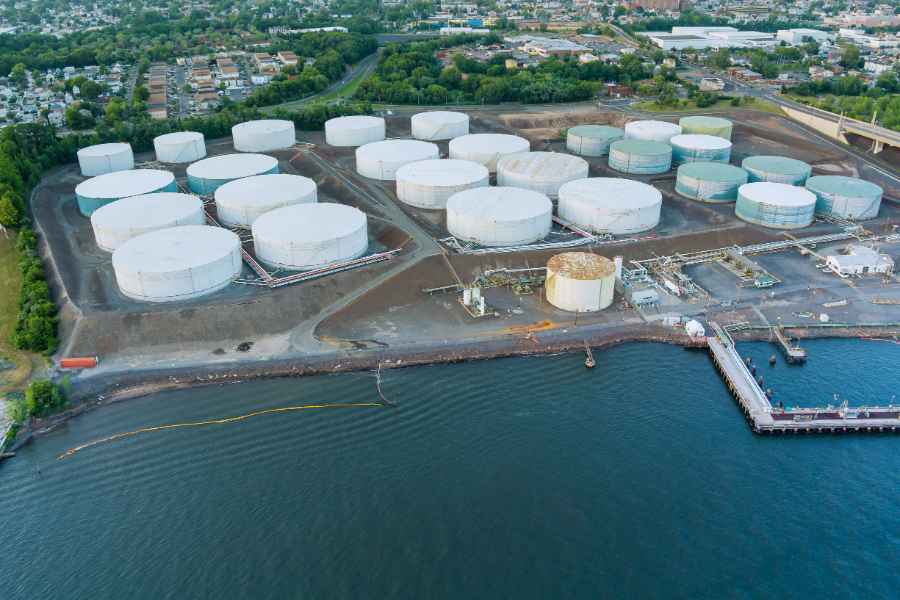
Prevents corrosion in tanks and refineries, enhancing safety and reducing maintenance costs.
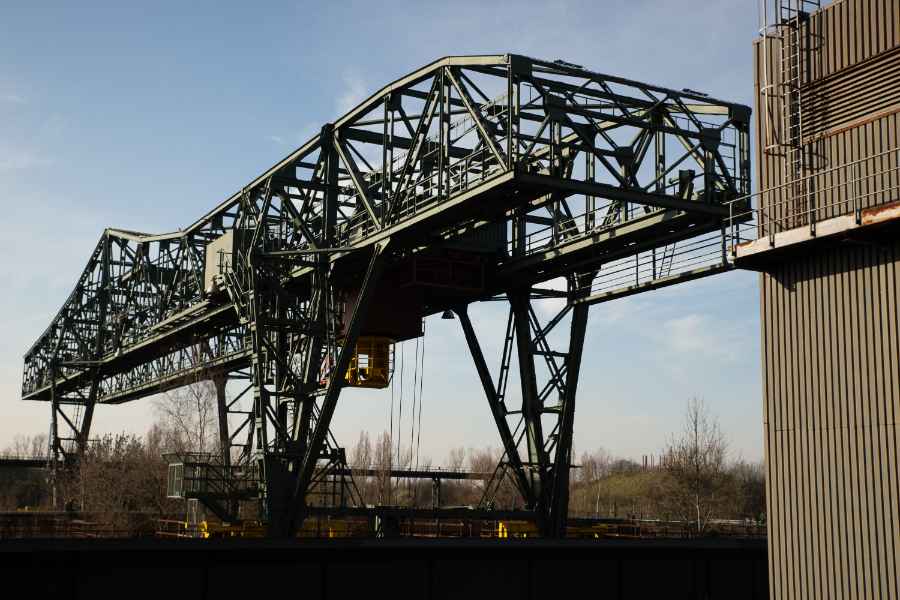
Protects bridges and steel structures from corrosion, ensuring structural integrity and safety for years.
Have questions about corrosion awareness, training programs, or collaborations? Check out our most common queries below.
Cathodic protection is a corrosion-control technique that reduces the rate at which metal corrodes by making it act as the cathode in an electrochemical system. It is commonly used to protect buried pipelines, storage tanks, marine structures and other metallic assets. When properly designed and maintained, the system helps minimise corrosion damage and extend asset service life.
Cathodic protection is widely used in oil and gas, water infrastructure, marine engineering, power generation and industrial processing. It helps protect pipelines, underground structures, storage tanks, offshore platforms and certain steel infrastructure exposed to corrosive conditions. The appropriate system depends on the asset, its environment and the level of protection required.
The two principal approaches are sacrificial anode protection and impressed current cathodic protection. Sacrificial anode systems use a more reactive metal to provide protective current, whereas impressed current systems use an external power source and suitable anodes. The selection depends on factors such as asset size, environmental conditions, current demand and maintenance requirements.
Corrosion can lead to repairs, replacement of damaged components, unplanned shutdowns and costly inspections. Cathodic protection helps control corrosion on suitable assets, reducing the likelihood of premature deterioration when the system is properly managed. Its effectiveness should be checked through appropriate monitoring, testing and maintenance rather than assumed from installation alone.
Yes, cathodic protection is often used together with protective coatings on pipelines, tanks and other metallic structures. Coatings act as a barrier between the metal and its environment, while cathodic protection helps protect exposed areas where the coating is damaged or imperfect. Using both methods can improve corrosion control, provided the systems are designed and maintained appropriately.
Monitoring helps determine whether a cathodic protection system is operating as intended and providing adequate protection. Field measurements can reveal changes in performance, electrical problems or conditions that require further investigation. Regular evaluation and accurate records help maintenance teams make informed decisions and address potential issues before they become more serious.
Cathodic protection training may benefit engineers, technicians, inspectors and other professionals involved in corrosion control, pipelines, infrastructure or industrial maintenance. It can help learners understand the principles behind cathodic protection and its practical applications across different sectors. Prospective participants should review Nirvaan’s program details to identify the course most appropriate for their experience and career goals.
Participate, volunteer, or donate to help spread corrosion awareness and prevention methods.
WhatsApp us