Surface Preparation Inspection | Coating Quality | Nirvaan
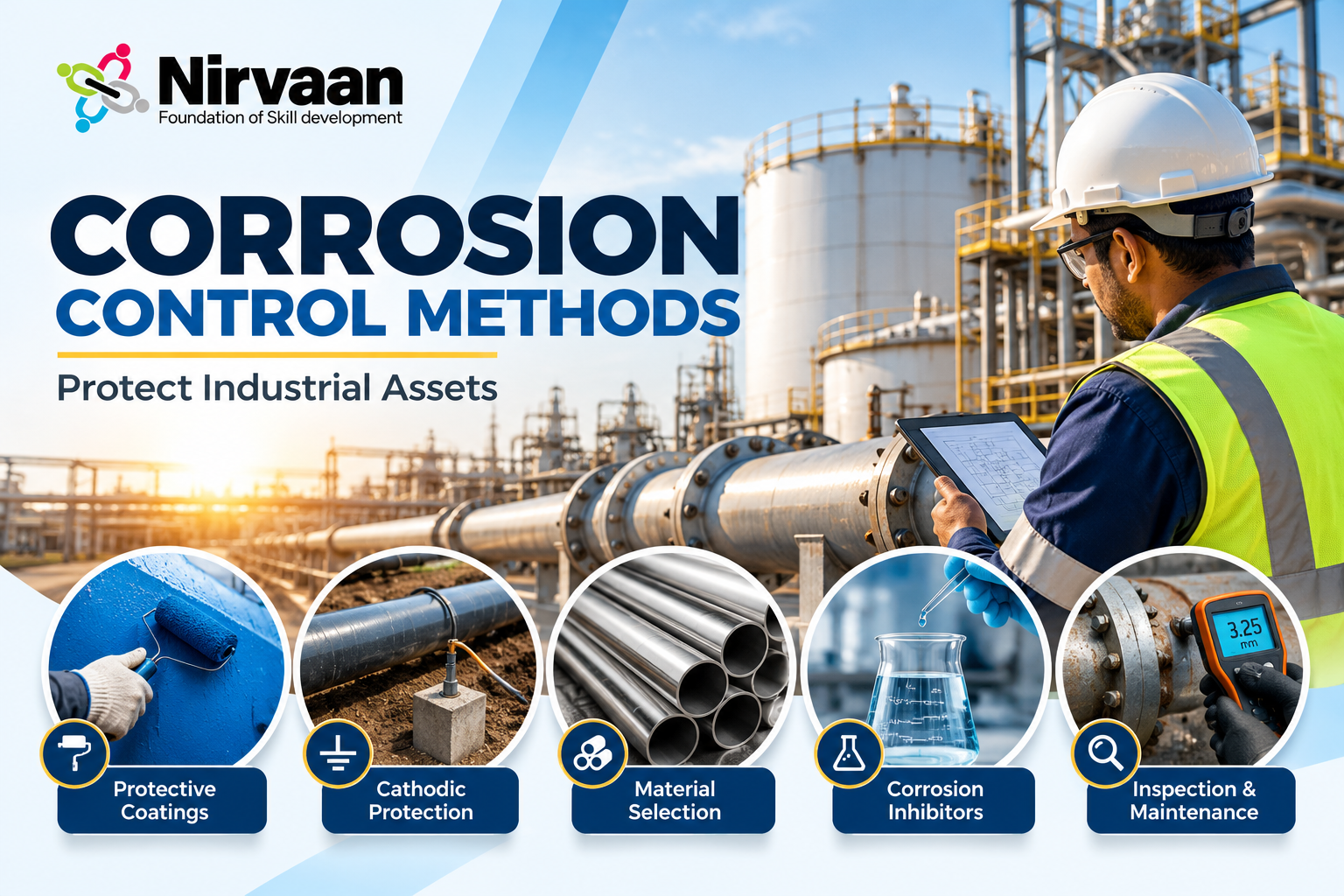
Protective coatings are of major importance in preventing corrosion on pipelines, storage tanks, steel structures and industrial equipment. However, if the underlying surface is not prepared properly, a high-quality coating system may fail prematurely. Contaminants like dirt, rust, oil, salts, etc. can interfere with the adhesion of the coating and reduce long term performance.
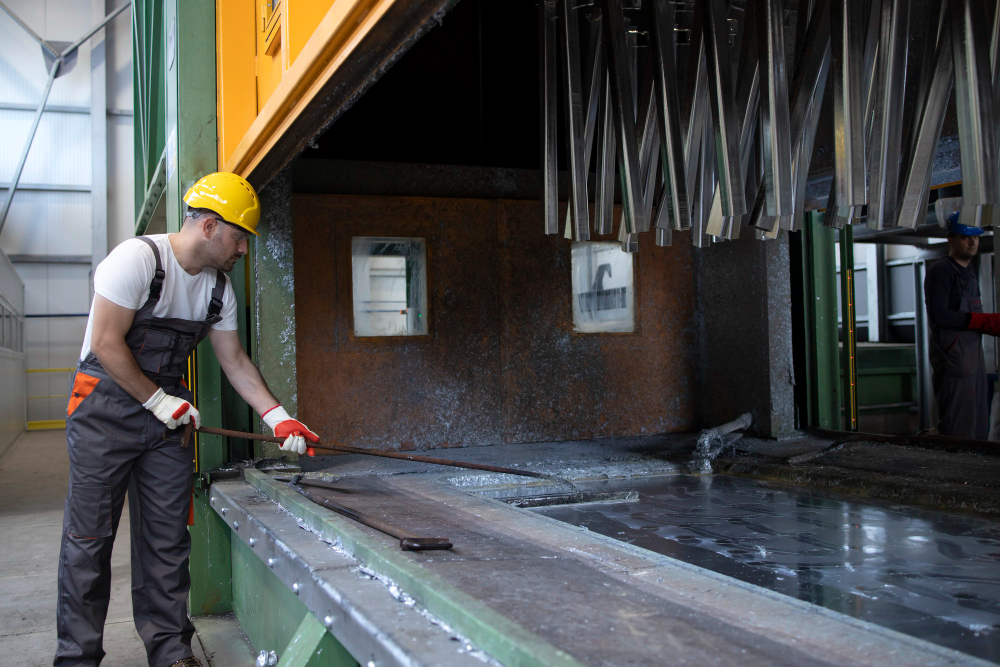
That is why surface preparation inspection is such an important aspect in industrial coating work. It is useful to check whether the surface is suitable for applying coating and meets the requirements specified for the project. Inspection procedures can help coating professionals improve quality control and reduce the likelihood of early coating failure.
At Nirvaan – An Institute of Corrosion, we believe that practical knowledge of inspection procedures is important to professionals working in protective coatings and corrosion control.
What Is Surface Preparation Inspection?
Surface Preparation Inspection The inspection and evaluation of a surface before the application of a protective coating. This involves checking surface cleanliness, condition, profile and environmental factors that may affect coating performance.
The aim is to detect conditions which may influence adhesion or cause coating defects. Inspection can include visual assessment, surface profile measurement and contamination testing dependent upon the project specification.
The coating inspector ensures that the prepared surface is as per the applicable requirements. Only then the coating process can proceed. This ensures consistency and supports quality requirements of the project.
Why Is Surface Preparation Important Before Coating?
A good surface is necessary for a good bond of a protective coating. Any rust, dust, oil, grease, or soluble salts that remain on the substrate can interfere with adhesion or contribute to deterioration of the coating.
Poor preparation can result in problems like peeling, blistering, premature corrosion and delamination of the coating. Proper preparation will give the surface conditions required by the selected coating system.
Surface Preparation Inspection helps to find these issues before coating application begins. Problems identified at this stage can avoid costly rework, waste of materials and maintenance costs.
What Are the Main Surface Preparation Inspection Checks?
The inspection process depends on the coating system and project specification. However, several checks are commonly important.
1. Surface cleanliness
Inspectors examine the surface for rust, mill scale, old coating, dirt and other visible contaminants. The required cleanliness level depends on the specified preparation standard and coating manufacturer’s recommendations.
2. Surface profile
A surface profile can be achieved by abrasive blasting or other preparation methods that allow the coating to achieve the required adhesion. Inspectors will use the appropriate instruments or comparison techniques to check the profile against the project requirements.
3. Dust assessment
Dust remaining after surface preparation can interfere with coating application. Appropriate dust assessment methods help determine whether the surface is sufficiently clean.
4. Soluble salt contamination
Soluble salts can attract moisture and contribute to problems such as blistering and corrosion beneath a coating. Where required, inspectors use suitable test methods to assess contamination levels.
5. Environmental conditions
Air temperature, surface temperature, relative humidity and dew point can influence coating application. These conditions should be checked against the product data sheet and project requirements.
Which Instruments Are Used During Surface Preparation Inspection?
Coating inspectors may use a variety of instruments depending on the inspection requirements.
Common equipment include surface profile gauges, replica tape, dust assessment materials, soluble salt test kits, surface temperature thermometers, hygrometers and dew point metres.
Each instrument has its own purpose. Inspectors must be able to use the equipment correctly, follow the procedure and record measurements accurately.
Proper readings are critical because decisions about coatings application should be based on documented inspection results and not assumptions.
What Happens If Surface Preparation Is Inadequate?
If the surface is not properly prepared, the performance and life of a protective coating system can be affected. If the surface is not clean , the coating may not bond properly . If the surface profile is not right , it can affect the coating adhesion .
Blistering and corrosion can also be caused by moisture and soluble salts trapped beneath a coating. These issues may require stripping of coating, additional surface prep and re-application.
Proper surface preparation inspection helps in finding non-acceptable conditions before they become a more costly project problem. It also enables inspectors, applicators and quality-control teams to communicate with each other.
How Can Coating Inspector Training Improve Inspection Skills?
Inspection procedures require more than theoretical knowledge. Professionals should know about instruments, measurement techniques, technical specifications and reporting practices.
Nirvaan’s Coatings Inspector programmes provide a training pathway for those looking to build coating inspection knowledge. If you are a professional, and looking for offline coatings inspector training in Kochi, Kerala, connect with Nirvaan to know the batch availability, programme details and eligibility.
The participants are trained hands-on for how the inspection processes are made in the industry and why accurate measurements are important.
Nirvaan’s Perspective on Surface Preparation Inspection
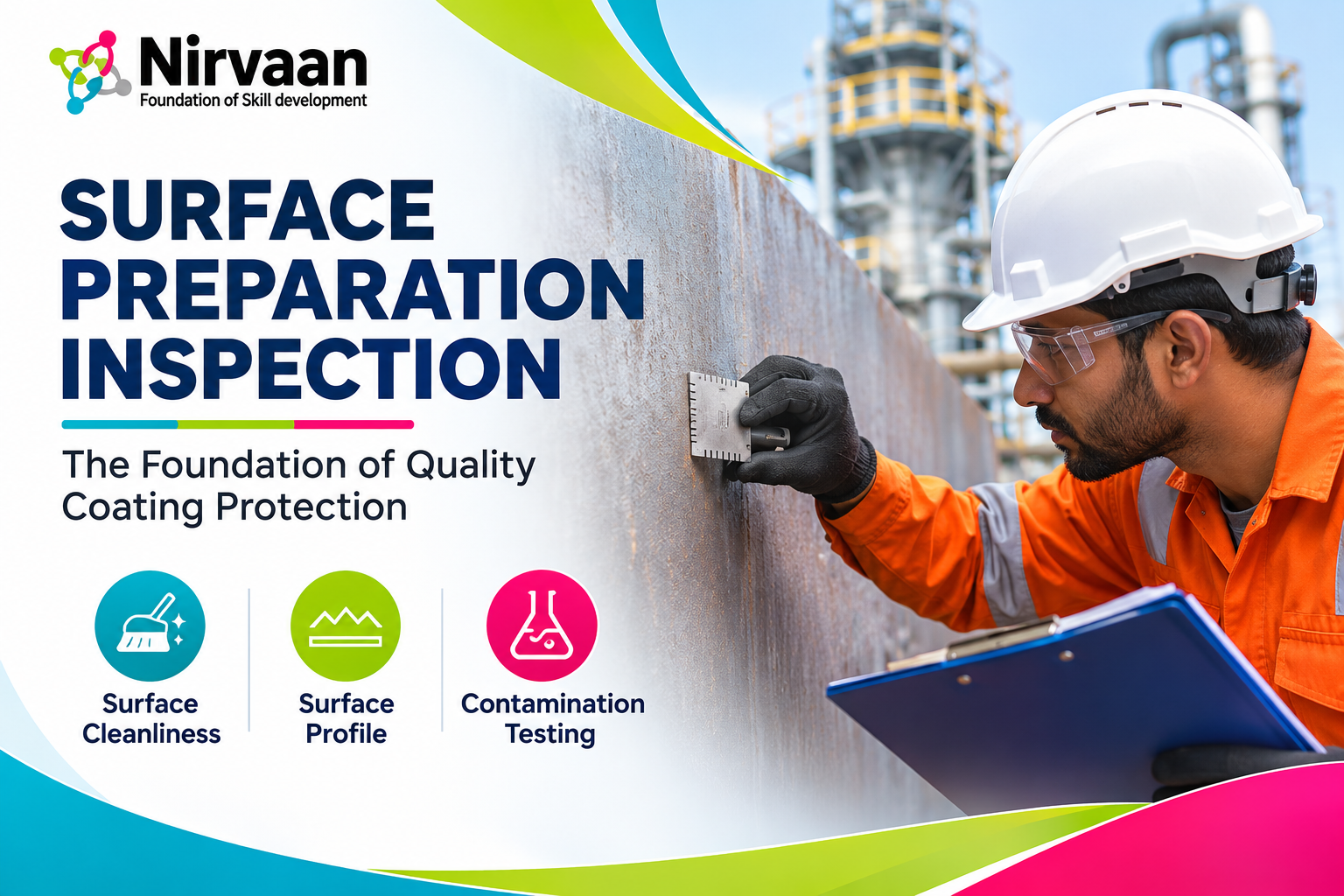
At Nirvaan – An Institute of Corrosion, we believe that proper prep and skilled inspection are the foundation of the best coating protection. Good coating performance starts with a well prepared surface and accurate inspection helps verify compliance with project requirements.
Nirvaan is dedicated to supporting professionals who want to deepen their understanding of coating inspection and corrosion control through industry-specific learning and technical skills development. Practical inspection knowledge can improve coating quality and more reliable protection of industrial assets.
Image Reference: Magnific
Disclaimer: All trademarks, logos, and brand names are the property of their respective owners. All company, product, and service names used in this website are for identification purposes only. Use of these names, trademarks, and brands does not imply endorsement.