
Career in Cathodic Protection | Skills and Growth | Nirvaan
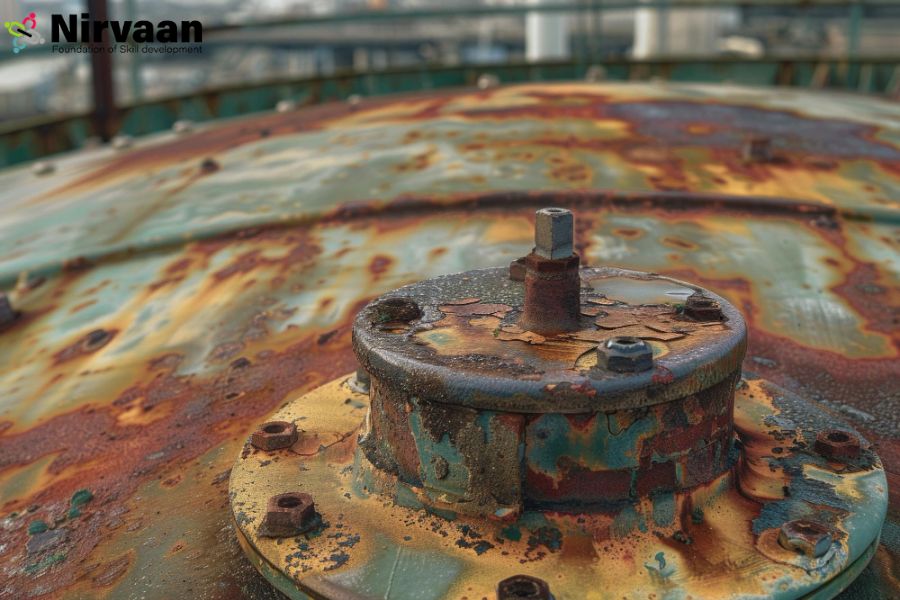
Corrosion can affect pipelines, storage tanks, marine structures and other metallic assets. Effective corrosion control is an important part of industrial maintenance and asset integrity. As organisations strive to maintain infrastructure and manage corrosion risks, knowledge of cathodic protection can help professionals contribute to inspection, testing, maintenance and system evaluation.

If you’re interested in engineering, industrial maintenance and corrosion control, you might want to look into a career in cathodic protection. With correct technical training and practical experience, skilled workers may acquire the skills to work with cathodic protection systems in different sectors.
At Nirvaan – An Institute of Corrosion we understand the importance of developing technically competent professionals who know how corrosion-control principles are applied in real working environments.
What Is Cathodic Protection?
Cathodic protection is an electrochemical method for controlling corrosion and it can be used to reduce the corrosion of a metal surface in contact with an electrolyte such as soil or water. It is widely used for underground storage tanks, buried pipelines, marine structures and some industrial assets.
The two major methods are galvanic (or sacrificial-anode) protection and impressed-current cathodic protection. Both methods attempt to reduce corrosion by altering the electrochemical environment at the surface of the metal to be protected.
Cathodic protection career professionals are able to assist with the installation, testing, monitoring and evaluation of these systems. Their duties will be determined by their qualifications, experience and the needs of their employer.
What Skills Are Required for a Cathodic Protection Career?
A successful cathodic protection career requires technical understanding, practical measurement skills and attention to detail. Professionals should understand basic electricity, chemistry, electrochemical principles and corrosion mechanisms.
Important skills include:
- Field measurements: Taking and recording electrical potential and current measurements using suitable instruments.
- System evaluation: Assessing collected data against applicable criteria and project requirements.
- Troubleshooting: Investigating abnormal readings, electrical connection problems and possible interference.
- Technical reporting: Maintaining accurate records and communicating findings clearly.
- Safety awareness: Following site procedures and using appropriate protective equipment during field activities.
Developing these capabilities takes a combination of structured learning, supervised practical experience and continued professional development.
Which Industries Offer Cathodic Protection Career Opportunities?
Cathodic protection is applied in many industries where metallic infrastructure requires protection from corrosion. It offers trained people opportunities in various technical fields.
Those in the oil and gas sector may deal with buried pipelines, processing facilities and storage tanks. Cathodic protection may also be required for some metal assets in water and wastewater facilities.
Marine and offshore operations use corrosion-control measures to protect structures exposed to seawater. Personnel with relevant cathodic protection knowledge may also be employed by industrial plants, pipeline operators, engineering contractors and specialist inspection companies.
Roles and responsibilities will depend on the organisation, the needs of the project, technical skills and previous field experience.
How Can Professional Certification Support Career Growth?
Professional training can help a candidate to gain a structured understanding of the principles of cathodic protection and testing procedures. Relevant certification may help to show technical knowledge to prospective employers . The value of certification will vary by role and industry specific requirements .
The Cathodic Protection Technician Certification (CP Level 2) is an intermediate-level path for qualified professionals to further develop their practical testing, evaluation and troubleshooting skills.
The technical concepts and field skills covered in the programme also. Candidates are advised to review the education, experience and assessment requirements of the current certification scheme prior to submitting an application. While certification does not guarantee employment or promotion, it may be part of an overall plan for professional development.
Is Practical Training Important for Cathodic Protection Professionals?
Yes. Practical training helps professionals connect theoretical knowledge with the equipment, measurements and operating conditions encountered in the field.
For individuals pursuing a cathodic protection career, experience with measurement instruments, data interpretation and systematic troubleshooting can be particularly valuable. It also helps them understand why accurate readings, appropriate procedures and clear documentation matter.
Professionals interested in training in Thane, Maharashtra, can contact Nirvaan – An Institute of Corrosion to enquire about available cathodic protection programmes, upcoming batches, eligibility requirements and course details.
How Can You Prepare for Long-Term Career Development?
A cathodic protection career is not built by taking a training course. Candidates should sharpen their technical fundamentals, get some field experience and keep up to date with applicable standards and procedures.
“Working with experienced people can help new professionals understand practical challenges and improve their ability to interpret inspection results. With the development of their competence they may be eligible for more responsible positions, subject to the requirements of the employer and their certification status.
Throughout this professional journey, a commitment to safe working practices, accurate reporting and continued learning is important.
Frequently Asked Questions
What is a cathodic protection career?
A cathodic protection career involves working with systems designed to reduce corrosion on metallic structures exposed to soil or water. Responsibilities may include field testing, system monitoring, data interpretation, troubleshooting and maintenance support. The exact duties depend on the professional's experience and job role.
What does a Cathodic Protection Technician do?
A Cathodic Protection Technician may carry out field measurements, inspect system components, record test results and assist with performance evaluation. Technicians may also investigate abnormal readings and support troubleshooting activities. Their responsibilities depend on their level of competence and the procedures followed by their organisation.
Can CP Level 2 certification help with career development?
CP Level 2 certification can help eligible professionals strengthen their understanding of cathodic protection testing, evaluation and troubleshooting. It may support applications for relevant technical positions, depending on employer requirements. Career progression also depends on practical experience, demonstrated competence and continuing professional development.
Nirvaan’s Perspective on Cathodic Protection Career Development
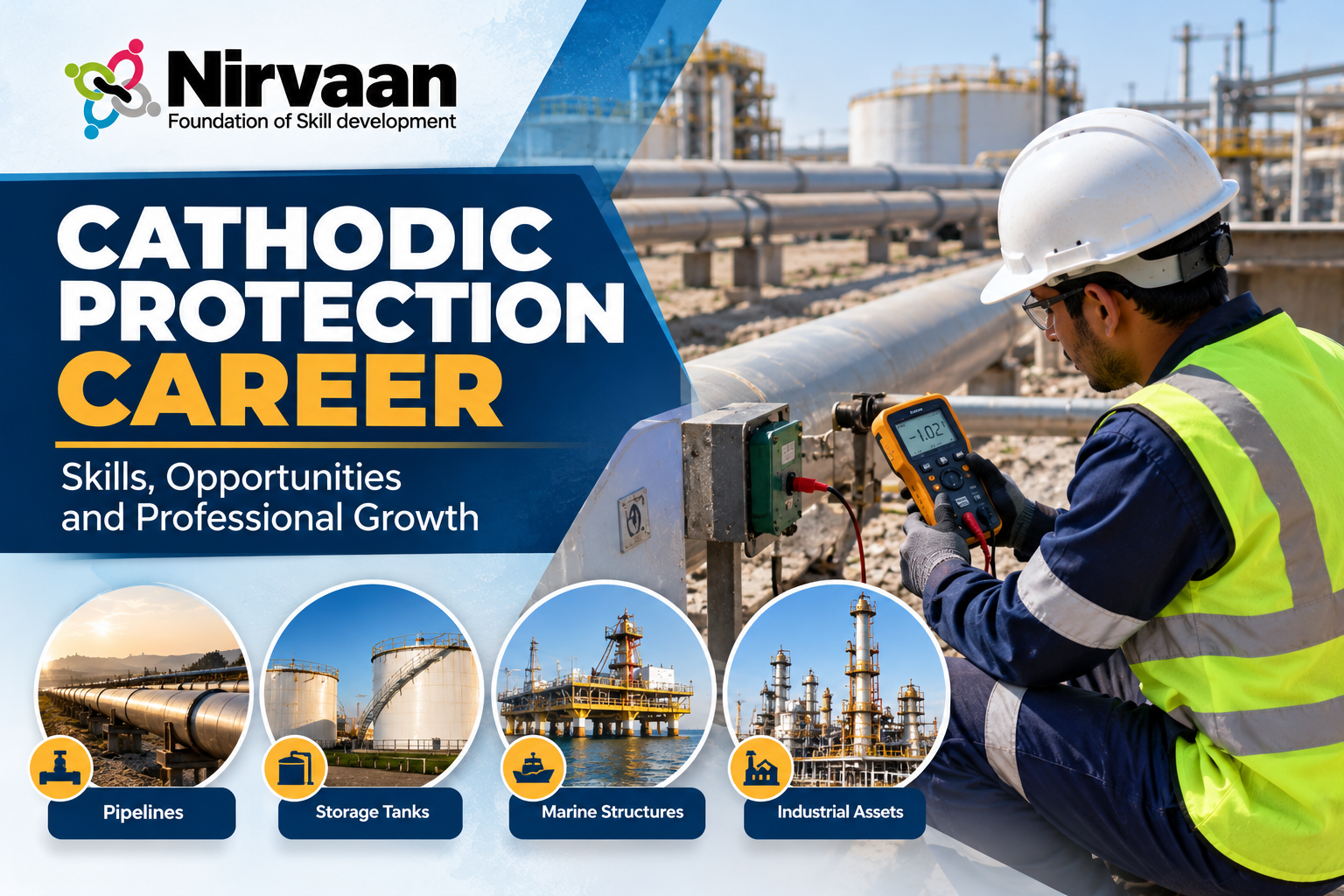
We at Nirvaan – An Institute of Corrosion in Mumbai believe that good corrosion control requires professionals who can convert technical knowledge into practical use. Competence building in the field enables people to contribute to system evaluation, maintenance planning and responsible infrastructure management.
Nirvaan aims to do its part in creating a more skilled workforce to tackle corrosion-control challenges through industry-based training and corrosion awareness. For professionals who are considering a career in cathodic protection, choosing the right training and gaining relevant experience can be useful steps for long-term development.
Image Reference: Magnific
Disclaimer: All trademarks, logos, and brand names are the property of their respective owners. All company, product, and service names used in this website are for identification purposes only. Use of these names, trademarks, and brands does not imply endorsement.