
Corrosion Prevention | Asset Protection | Nirvaan
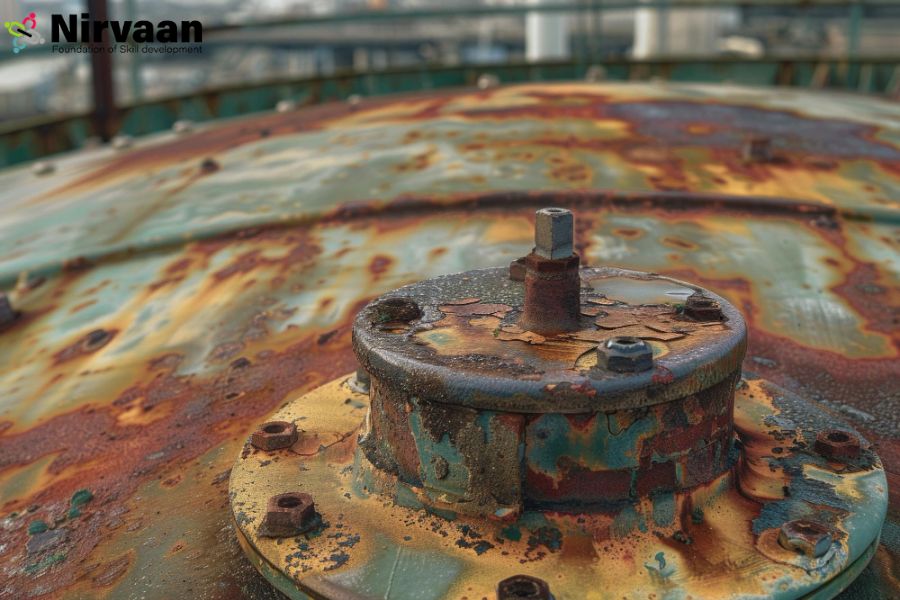
Corrosion is the deterioration of a material, usually a metal, by chemical or electrochemical reaction with its environment. It is a natural process and can affect structures, machinery, pipelines, storage tanks, marine equipment, industrial components and infrastructure.
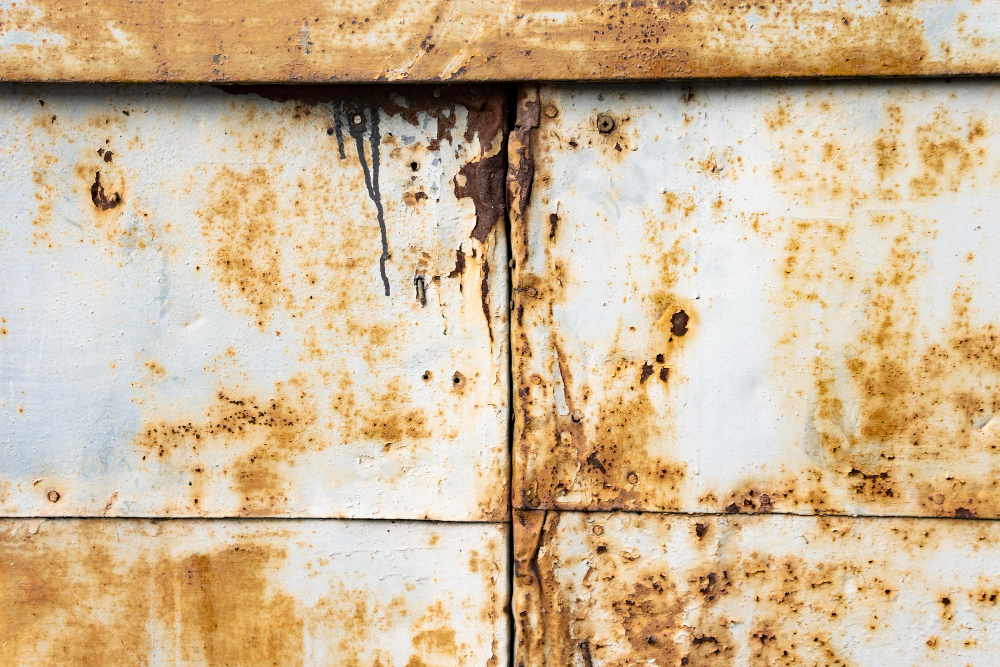
Corrosion may begin as little more than surface discolouration, rust or minor material damage, but it can progressively degrade the strength, usefulness and service life of an asset. Failure of equipment, production downtime, maintenance expenses and safety concerns can be caused by uncontrolled corrosion in industrial settings.
Understanding what corrosion is, why it occurs, and how it can be controlled is therefore an important part of effective asset management.
How Does Corrosion Occur?
Corrosion generally occurs when a material interacts with environmental factors such as moisture, oxygen, chemicals, salts, pollutants, or other materials.
For metals, corrosion often involves an electrochemical reaction. When a metal surface comes into contact with an electrolyte such as water containing dissolved salts, certain areas of the metal can become anodic while others become cathodic. This creates an electrochemical cell that can cause metal ions to leave the surface.
Iron and steel are particularly vulnerable to corrosion. When exposed to oxygen and moisture, iron can gradually form iron oxides and hydroxides, commonly referred to as rust.
The speed and severity of corrosion depend on several factors, including temperature, humidity, chemical exposure, material composition, surface condition, and operating environment.
What Are the Different Types of Corrosion?
Corrosion does not occur in exactly the same way in every environment. Some common types include:
Uniform corrosion: This occurs relatively evenly across a metal surface and can gradually reduce the overall thickness of the material.
Pitting corrosion: Small, localised areas of corrosion create pits or holes in the metal. Although the affected area may appear small, deep pits can seriously weaken a component.
Galvanic corrosion: This can occur when two dissimilar metals are electrically connected in the presence of an electrolyte. One metal can become more susceptible to corrosion than the other.
Crevice corrosion: This develops in confined areas where moisture and corrosive substances can become trapped, such as joints, gaps, and connections.
Stress corrosion cracking: This involves the combined effects of tensile stress and a corrosive environment and can result in cracking and unexpected failure.
Microbiologically influenced corrosion: Certain microorganisms can contribute to corrosion processes, particularly in pipelines, tanks, and other systems where suitable conditions exist.
Recognising the type of corrosion is important because the appropriate inspection, prevention, and control method can vary depending on the mechanism involved.
What Causes Corrosion?
Corrosion can be accelerated by a number of environmental and operational factors. Moisture and oxygen are common contributors, and saltwater and high humidity can increase the rate of corrosion.
There are other dangers in the industrial environment, such as chemicals, gases, high temperatures, pollutants and process fluids. Lack of maintenance, poor surface preparation, damaged protective coatings and unsuitable material selection also contribute to vulnerability.
That is why corrosion protection should preferably start in the design and material selection phases and not only after visible damage has appeared.
Why Is Corrosion Control Important?
Effective corrosion control helps organisations protect assets, improve operational reliability, and extend equipment service life.
For industries that depend on pipelines, tanks, steel structures, offshore equipment, or other corrosion-sensitive assets, controlling corrosion can help reduce unplanned maintenance and prevent deterioration from progressing unnoticed.
Corrosion can also have wider economic and environmental consequences. Replacing damaged components requires materials, energy, labor, and downtime. Extending the useful life of existing assets through appropriate corrosion management can therefore support more sustainable industrial operations.
How Can Corrosion Be Prevented?
There is no single solution for every corrosion problem. The appropriate approach depends on the material, environment, asset design, and type of corrosion involved.
Common corrosion prevention methods include protective coatings, corrosion-resistant materials, environmental controls, regular inspection, and cathodic protection.
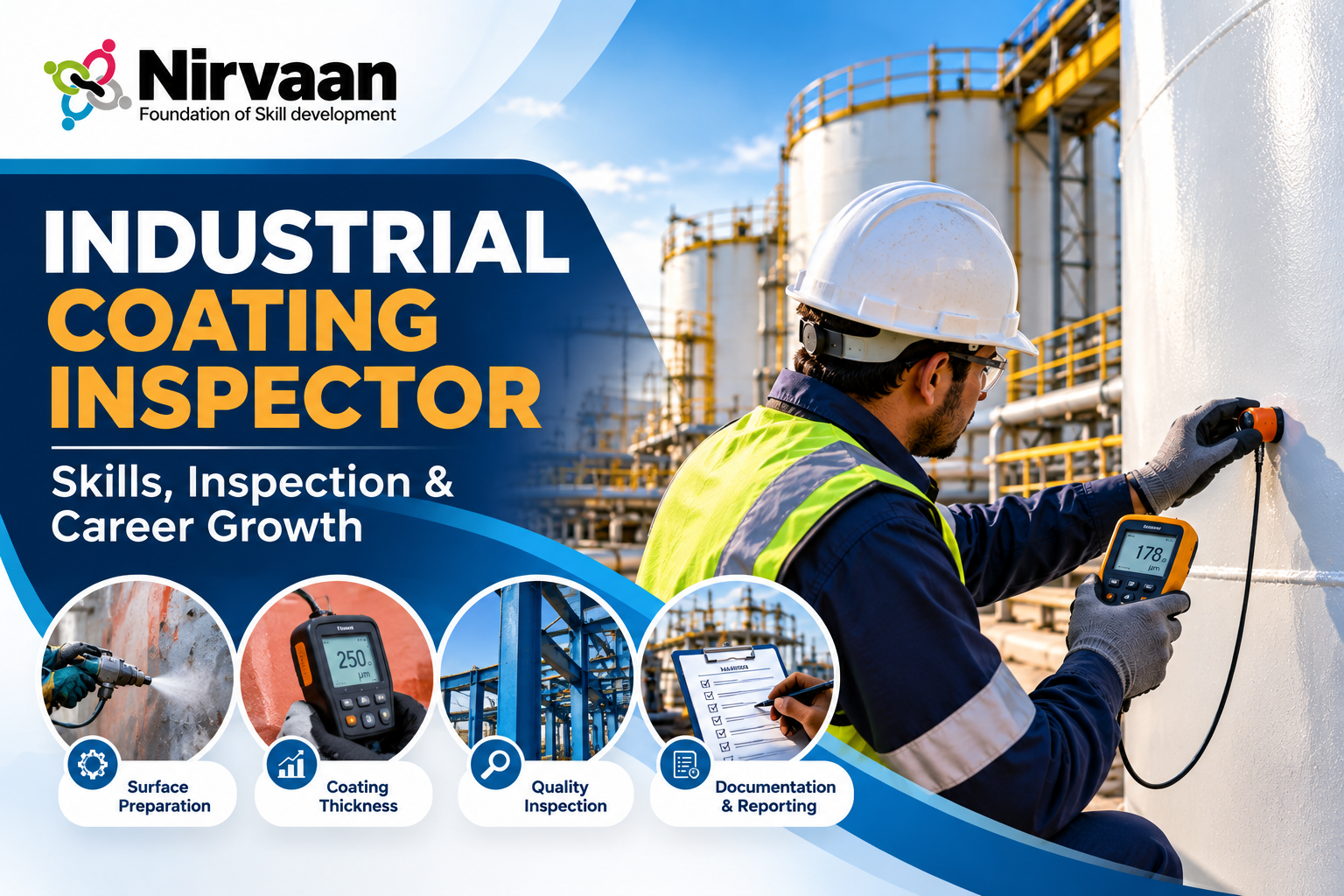
Protective coatings create a barrier between the metal and its surrounding environment. However, coatings need appropriate surface preparation, application, and inspection to perform effectively.
Cathodic protection is another important corrosion-control technique, particularly for pipelines, storage tanks, marine structures, and other metallic assets. It works by reducing the tendency of the protected metal to undergo corrosion through an electrochemical approach.
Regular corrosion inspection and monitoring are equally important. Early detection can help organisations identify deterioration before it becomes a major operational or safety concern.
How Does Corrosion Knowledge Support Better Asset Management?
Corrosion management is not limited to identifying rust or repairing damaged surfaces. It involves understanding corrosion mechanisms, assessing risks, selecting appropriate prevention methods, monitoring asset condition, and ensuring that personnel have the necessary technical skills.
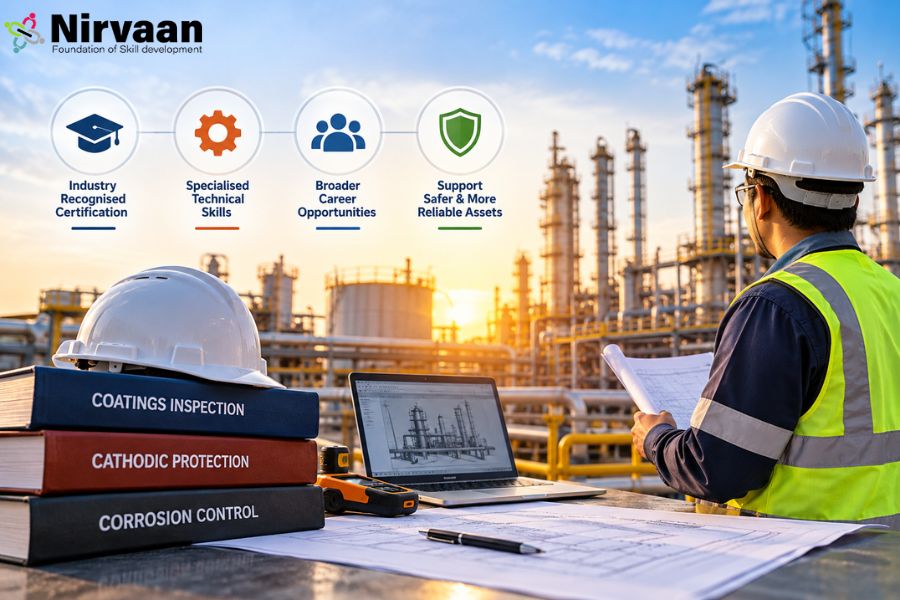
Professionals involved in inspection, maintenance, engineering, coatings, and asset integrity can benefit from structured corrosion training. Practical knowledge can help teams make better decisions about inspection methods, corrosion prevention, and long-term asset protection.
Frequently Asked Questions
What is corrosion?
Corrosion is the gradual deterioration of a material, particularly metal, due to chemical or electrochemical reactions with its surrounding environment.
What are the main causes of corrosion?
Moisture, oxygen, salts, chemicals, pollutants, temperature and exposure to corrosive environments are common causes of corrosion.
What are the common types of corrosion?
Common types include uniform corrosion, pitting corrosion, galvanic corrosion, crevice corrosion, erosion corrosion and stress corrosion cracking.
Closing Insights – Nirvaan’s Perspective on Corrosion Control
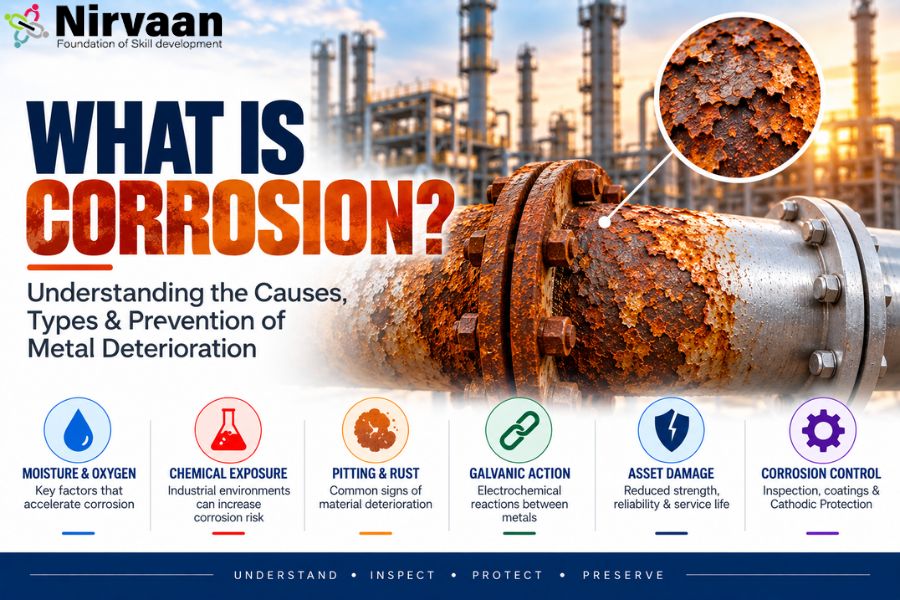
At Nirvaan Foundation of Skill Development we believe that the need of the hour is to have more awareness and better technical skills to combat corrosion effectively. Corrosion can influence industry, infrastructure, safety and environment. Knowledge based prevention is thus an important part of sustainable asset management.
Nirvaan aims to impart skills for effective corrosion prevention and control to individuals and organisations through specialised training, workshops, practical learning and industry-focused programmes. Nirvaan is working towards developing a more skilled workforce and a corrosion-conscious industrial ecosystem in India, with training areas including Cathodic Protection, Coating Inspection and AMPP-certified professional courses.
Image Reference: Magnific
Disclaimer: All trademarks, logos, and brand names are the property of their respective owners. All company, product, and service names used in this website are for identification purposes only. Use of these names, trademarks, and brands does not imply endorsement.