Coating Inspection Training | Practical Skills and Career Growth | Nirvaan
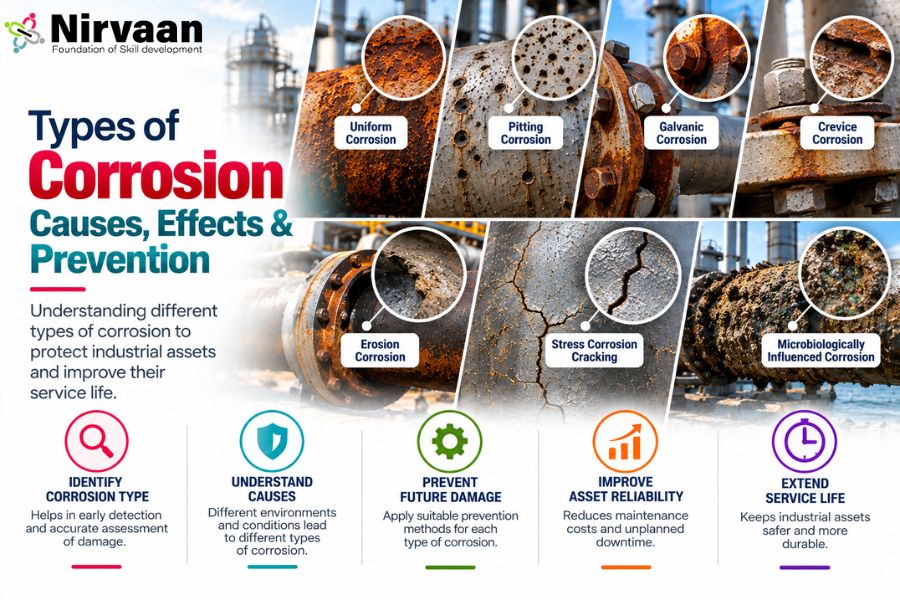
Protective coatings play an important role in preventing corrosion and extending the service life of industrial assets. Pipelines, storage tanks, bridges, offshore structures and industrial equipment often rely on coatings to withstand moisture, chemicals, temperature changes and other environmental conditions.
However, a coating system can only perform effectively when the surface is prepared correctly, the coating is applied under suitable conditions and the finished work meets the specified requirements. This is where coating inspection training becomes valuable.
Coating inspection training helps aspiring and experienced professionals understand inspection procedures, identify coating defects and evaluate application quality. It develops technical knowledge that can support quality assurance, corrosion prevention and more reliable industrial maintenance.
What Does a Coatings Inspector Do?
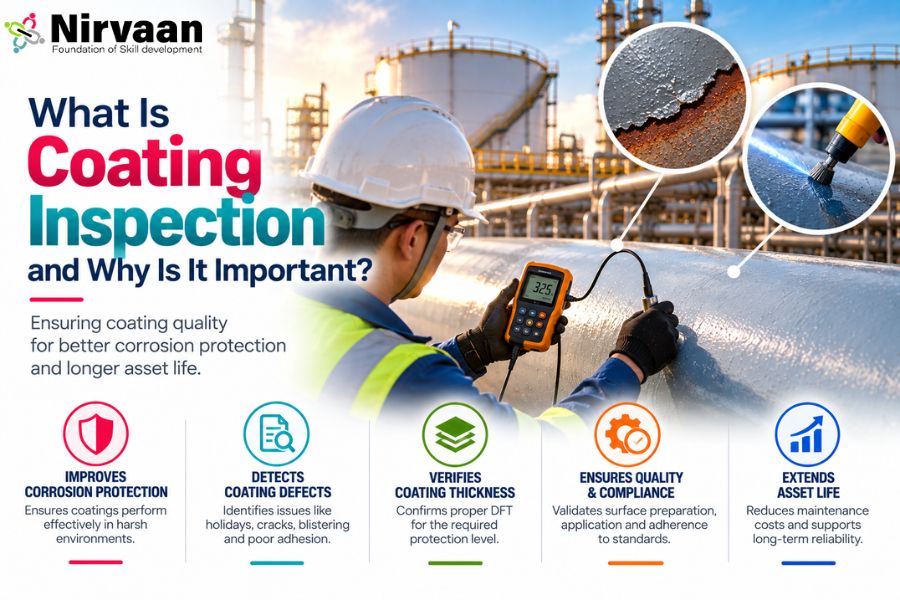
A coatings inspector ensures that the protective coating work is done in accordance with the applicable project specifications, technical requirements and quality procedures. This may differ depending on the industry, project and level of experience.
Typical duties include inspecting surface preparation, checking environmental conditions, measuring coating thickness, identifying defects, and keeping inspection records. The process of coating application can also be checked by the inspectors to see if it meets the specified requirements.
These responsibilities are introduced during professional coating inspection training, which also teaches the importance of accurate measurements and systematic documentation. Inspectors should report objectively; they should not approve work based on looks.
Practical Skills Developed Through Training
Effective inspection requires more than theoretical knowledge. Professionals need to understand the equipment, measurements and procedures used during coating projects.
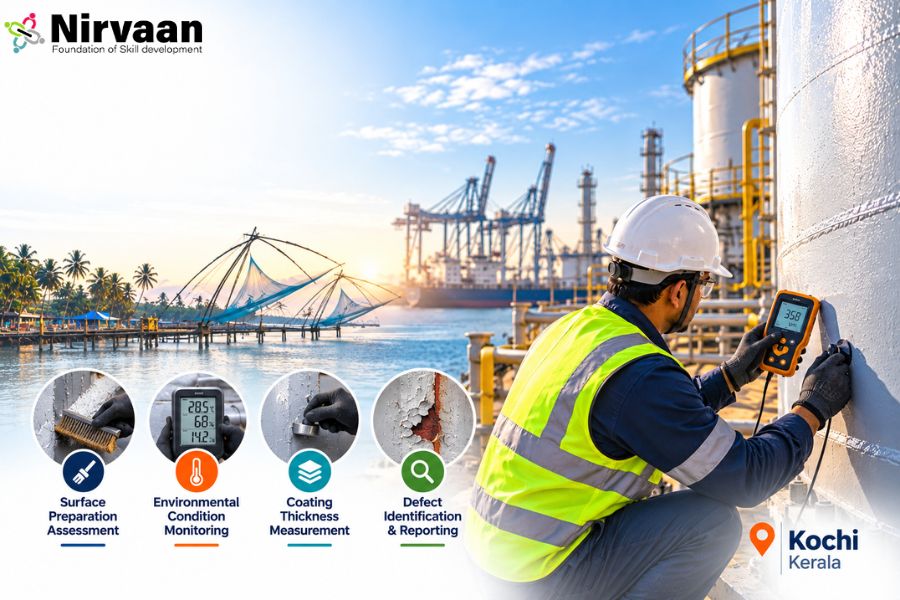
Surface Preparation Assessment
Surface preparation affects adhesion and long term coating performance. Training includes techniques for inspecting surface cleanliness, condition and profile against applicable project specifications. Inspectors also learn how contamination, rust and poor preparation can cause premature coating failure.
Environmental Condition Monitoring
Temperature, humidity and dew point can influence coating application and curing. Understanding these factors helps inspectors identify conditions that may affect coating quality and determine whether work meets the specified requirements.
Coating Thickness Measurement
Dry film thickness measurements help establish whether a coating has been applied within the specified range. Training introduces the purpose and correct use of suitable measuring instruments, together with the importance of recording reliable readings.
Defect Identification and Reporting
Inspectors need to recognise defects such as pinholes, runs, uneven coverage, blistering and peeling. They also learn to document observations clearly so that contractors and quality teams can investigate problems and take appropriate corrective action.
Career Opportunities After Coating Inspection Training
Coating inspection training can help with professional development in industries where corrosion prevention and the quality of protective coatings are important. Potential areas include oil and gas, petrochemicals, marine operations, infrastructure, power generation and industrial maintenance.
Trained persons, depending on their qualifications and experience, may find positions such as coatings inspection assistant, quality control technician, coating inspector and protective coatings quality assurance.
Career progression is influenced by technical competence, relevant experience, employer requirements and the qualifications for each position. Training doesn’t guarantee a job, but it can give a candidate the foundation necessary for specialised work.
Professionals seeking formal credentials might also want to consider the AMPP Coatings Inspector Programme. The Basic Coatings Inspector Certification (CIP Level 1) and the Certified Coatings Inspector Certification (CIP Level 2) have different learning and eligibility requirements. Applicants should check the relevant requirements and evaluation process before applying.
Where Can You Explore Coating Inspection Training in Kochi?
For candidates in Kerala, Kochi is a relevant location to explore offline coating inspection training through Nirvaan Foundation of Skill Development. The organisation focuses on corrosion control education and industry-related technical skills.
Training can help candidates understand the principles of inspection and prepare for the practical responsibilities associated with protective coatings. Prior to selecting a programme potential learners should enquire about practical sessions, instruments studied, duration of the course, eligibility, assessment requirements and certification arrangements.
Candidates should also confirm the current batch schedule and exact venue directly from Nirvaan. This helps to make sure the chosen programme is suitable for their availability and professional objectives.
How to Choose the Right Training Programme
Before enrolling, consider your existing technical background and intended career direction. Beginners may benefit from foundational learning, while experienced professionals may prefer a programme that develops more advanced inspection knowledge.
Review the syllabus carefully and check whether the training addresses surface preparation, environmental monitoring, coating thickness, defect identification and inspection documentation. Where practical sessions are offered, ask how learners will use instruments and apply inspection procedures.
It is equally important to distinguish between completing a training course and obtaining a formal certification. Confirm whether certification requires a separate examination, documented experience or other prerequisites.
Frequently Asked Questions
What is coating inspection training?
Coating inspection training teaches the principles and procedures used to assess protective coating work. Topics may include surface preparation, environmental conditions, coating thickness, defect identification and inspection reporting.
Is coating inspection training available in Kochi, Kerala?
Kochi is a location to explore for Nirvaan’s offline Coatings Inspector training. Contact Nirvaan directly to confirm the current batch dates, exact venue and programme availability.
Does coating inspection training lead to AMPP certification?
Completing a training course does not necessarily mean that a candidate has obtained AMPP certification. The applicable certification pathway, examination and eligibility requirements should be confirmed before enrolment.
Closing Insights: Build Your Skills with Nirvaan
At Nirvaan – an institute of corrosion, we recognise that competent inspection supports effective corrosion prevention and longer-lasting industrial assets. Coating inspection training can help individuals strengthen their technical understanding and prepare for responsibilities in protective coating quality and inspection.
For candidates exploring opportunities in Kochi, Kerala, we encourage direct enquiries about Nirvaan’s offline training, practical learning components and applicable certification pathways. With appropriate training, continued learning and relevant workplace experience, professionals can contribute to safer, more reliable and sustainable industrial infrastructure.
Image Reference: Magnific
Disclaimer: All trademarks, logos, and brand names are the property of their respective owners. All company, product, and service names used in this website are for identification purposes only. Use of these names, trademarks, and brands does not imply endorsement.