Industrial Coating Inspector | Skills and Career Growth | Nirvaan
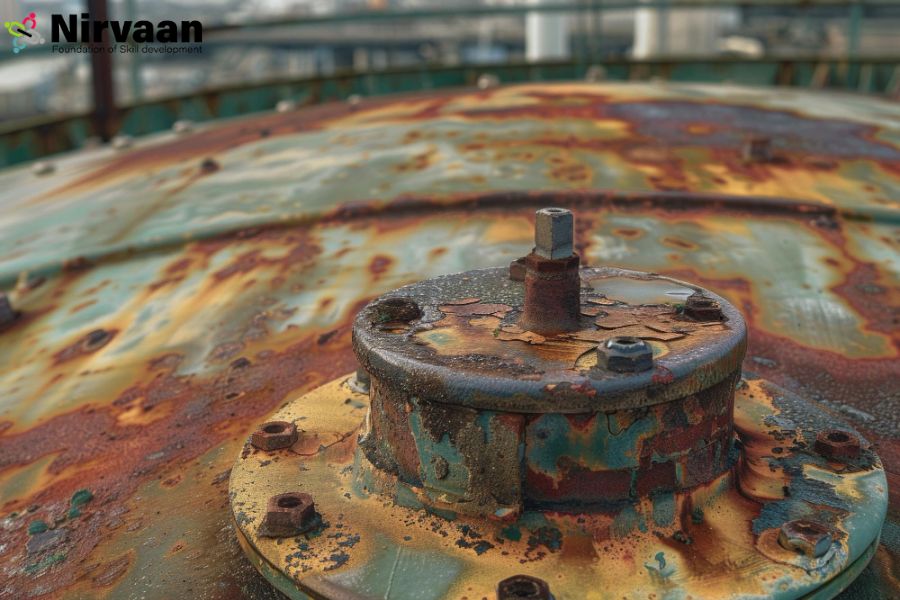
An industrial coating inspector is a key player in protecting equipment, pipelines, storage tanks and infrastructure from corrosion and premature deterioration. Protective coatings will only perform effectively if surfaces are properly prepared, application conditions are controlled and the finished coating meets the required specifications. This makes the industrial coating inspector an important professional in industries where asset reliability, safety and long term performance are important.
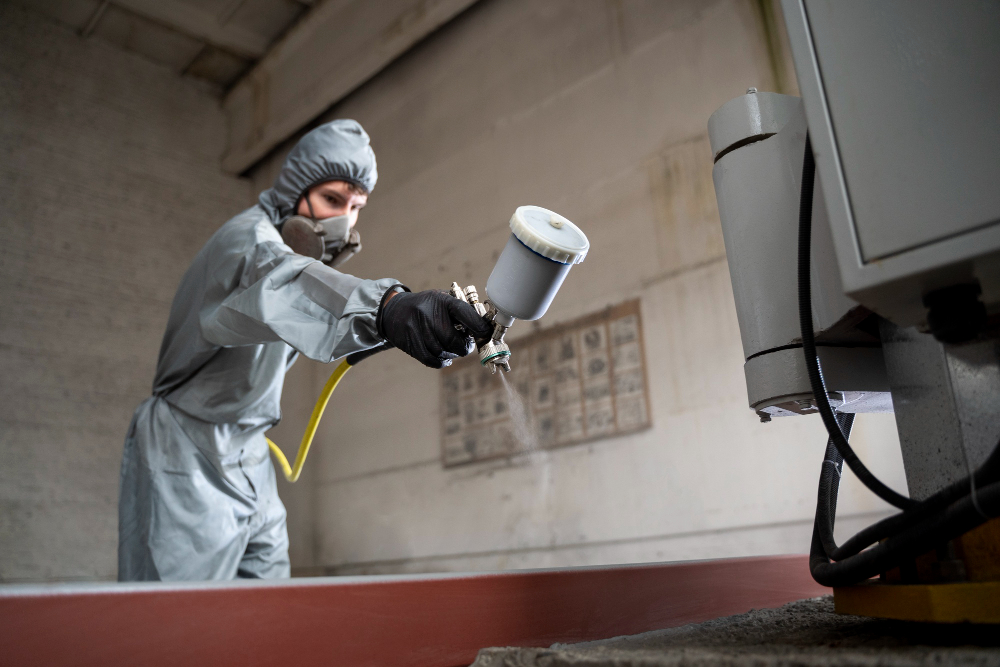
If you’re looking to develop technical skills in protective coatings, professional training can provide the basis for comprehending inspection procedures, testing methods and quality requirements. Nirvaan encourages corrosion awareness and skill development through industry focused learning opportunities.
What Does an Industrial Coating Inspector Do?
An industrial coating inspector evaluates the quality of protective coating work at different stages of a project. Their responsibility is to check whether surface preparation, coating application and the finished coating comply with the applicable project specifications.
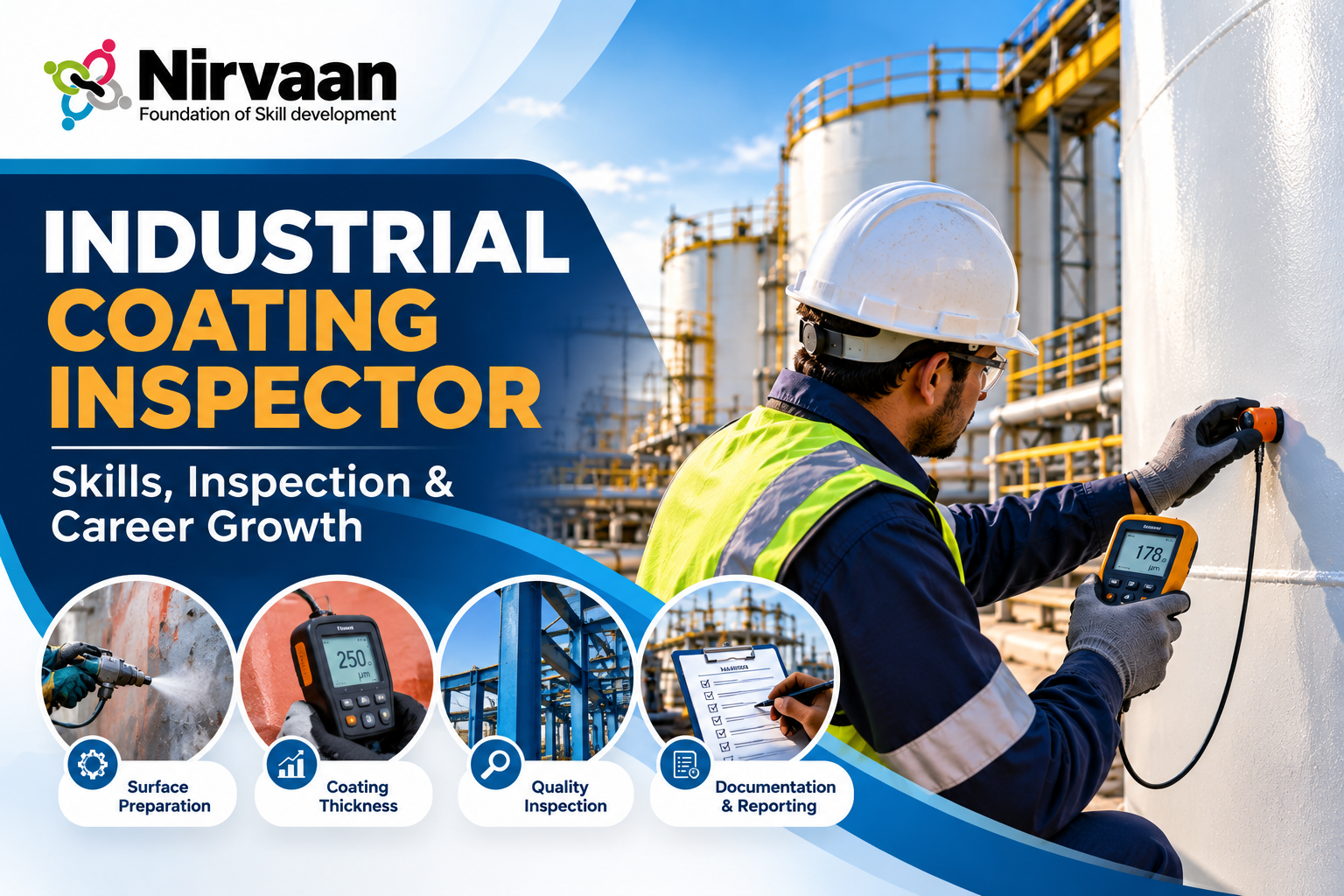
An industrial coating inspector may work on pipelines, steel structures, industrial plants, storage tanks, bridges and marine facilities. The role involves observing site activities, taking measurements, identifying defects and documenting inspection results.
Inspectors do not simply examine the final appearance of a coating. They also help identify problems during preparation and application, when corrective action may be easier and less expensive.
Why Is Industrial Coating Inspection Important?
Industrial coatings protect surfaces from moisture, chemicals, saltwater, abrasion and other environmental conditions that contribute to deterioration. However, unsuitable application practices or inadequate preparation can reduce the effectiveness of a coating system.
An industrial coating inspector helps identify issues such as insufficient coating thickness, poor adhesion, surface contamination and application defects. Early detection can reduce rework, maintenance expenditure and the risk of premature coating failure.
Inspection also supports quality assurance by maintaining records of measurements, environmental conditions and compliance with project requirements. These records help project teams assess whether the specified coating system has been applied correctly.
What Skills Does an Industrial Coating Inspector Need?
A competent industrial coating inspector needs a combination of technical knowledge, practical ability and attention to detail.
Important skills include:
- Surface preparation assessment: Understanding cleanliness, surface profile and contamination requirements before coating application.
- Coating thickness measurement: Using appropriate instruments to check whether the applied coating meets specified thickness requirements.
- Environmental monitoring: Understanding how temperature, humidity and dew point can influence coating application and curing.
- Defect identification: Recognising visible imperfections and understanding when additional testing may be required.
- Documentation: Recording inspection findings accurately and communicating non-conformities to the relevant project personnel.
An industrial coating inspector must also have a good understanding of applicable standards, manufacturer instructions and project specifications. These skills are developed in professionals through training and practical experience.
What Industries Employ Industrial Coating Inspectors?
Industrial coating inspectors are required across several sectors where protective coatings help preserve valuable assets.
In oil and gas, inspectors may examine coatings used on pipelines, processing equipment and storage tanks. In marine and offshore environments, inspection helps assess protection against moisture, saltwater and demanding operating conditions.
Construction and infrastructure projects also require coating quality checks for bridges, steel structures and industrial buildings. Manufacturing facilities may employ inspection personnel to support coating quality on equipment and components.
The specific responsibilities of an industrial coating inspector vary according to the industry, coating system, project complexity and applicable standards.
Why Is Practical Training Important for Coating Inspectors?
Knowing coating theory is important but inspection also involves skill to use equipment, to read and to see potential problems in real working environments.
The practical training introduces the learners to inspection instruments, surface preparation check, coating thickness measurement and understanding technical specifications. It may also help them interpret inspection documentation and comprehend the importance of adhering to established procedures.
Nirvaan follows an industry-driven approach to skill development in the area of corrosion. The Coatings Inspector Programme offers a route for professionals interested in becoming an industrial coating inspector and supports the overall goal of improving coating quality and corrosion-control capabilities.
Can You Attend Coating Inspector Training in Thane?
Yes, professionals looking for offline coating inspector training in Thane, can explore the availability of Nirvaan’s Coatings Inspector Program. Classroom-based learning and practical activities can help participants connect technical concepts with inspection requirements.
Thane’s industrial and maritime environment makes coating protection relevant to activities involving infrastructure, marine facilities and industrial assets. However, candidates should confirm the next available batch, training venue, course format and applicable certification details directly with Nirvaan before making arrangements.
Choosing suitable training helps aspiring inspectors understand the responsibilities of the role and prepare for opportunities that require coating inspection knowledge.
How Can an Industrial Coating Inspector Build a Career?
Career development is based on knowledge and practical experience, professional training and knowledge of industry requirements. Entry level professionals might start by helping with inspection activities and move into more independent work as their competence increases.
The Industrial Coating Inspector can increase his opportunities by increasing his knowledge of test procedures, quality documents, coating systems and applicable standards. Depending on your eligibility and your employer’s requirements, specialist certifications can also help your professional development.
With continued learning and field experience qualified individuals may find opportunities in inspection services, quality assurance, industrial maintenance and coating project supervision.
Frequently Asked Questions
What does an industrial coating inspector do?
An industrial coating inspector checks the quality of protective coating work during surface preparation, application and final inspection. They assess coating thickness, environmental conditions, surface cleanliness and visible defects against project specifications. Their work helps ensure that coating systems meet the required quality standards.
Why is industrial coating inspection important?
Industrial coating inspection helps verify that protective coatings are applied according to specified requirements. Poor surface preparation, incorrect application or inadequate coating thickness can contribute to premature coating failure and corrosion. Inspection helps identify potential problems early, supporting quality control and reducing avoidable rework.
Which industries employ industrial coating inspectors?
Industrial coating inspectors may work in oil and gas, marine, offshore, construction, infrastructure, manufacturing and industrial maintenance. These sectors use protective coatings to help protect pipelines, storage tanks, steel structures, equipment and other assets. Specific job opportunities depend on qualifications, experience and employer requirements.
Nirvaan’s Perspective on Industrial Coating Inspection
At Nirvaan we understand that effective corrosion control is reliant on trained professionals who understand the principles of protective coating as well as their practical application. Organisations can maintain coating quality, protect industrial assets and reduce avoidable deterioration by building a strong workforce of inspection personnel.
Through industry-focused training and corrosion awareness, Nirvaan seeks to build a more skilled workforce and a safer, more sustainable industrial environment. If you are a professional interested in coating inspection, you can check our programme options and find the most suitable training path for your experience and career objectives.
Image Reference: Magnific
Disclaimer: All trademarks, logos, and brand names are the property of their respective owners. All company, product, and service names used in this website are for identification purposes only. Use of these names, trademarks, and brands does not imply endorsement.