
Cathodic Protection | Corrosion Prevention | Nirvaan
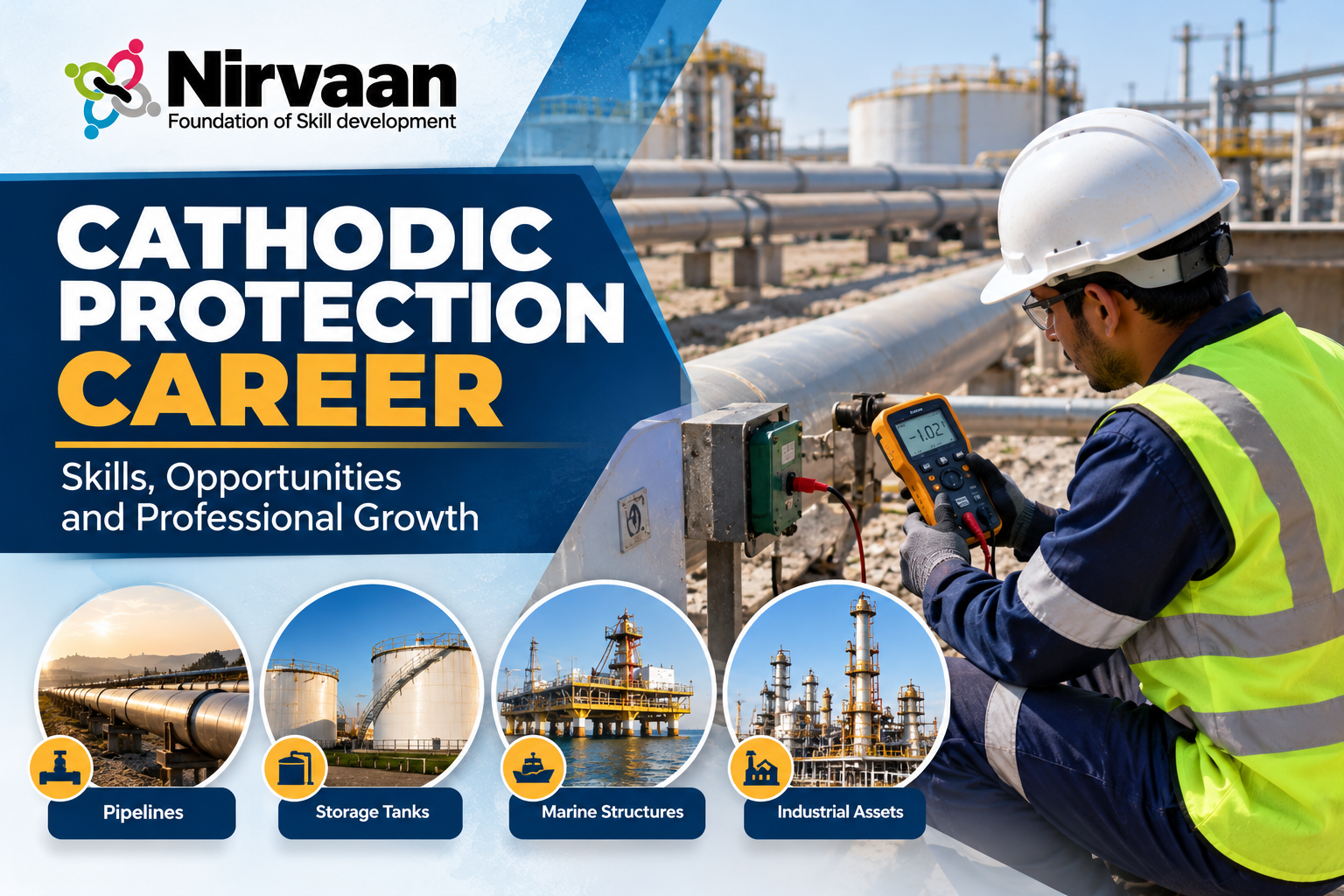
Cathodic protection is an electrochemical method used to reduce or prevent corrosion on metallic structures exposed to environments where corrosion can occur. It is widely used to protect pipelines, storage tanks, offshore structures, marine equipment and other metallic assets.

Instead of allowing the protected metal to act as the area where corrosion occurs, cathodic protection changes the electrochemical conditions around the asset. This helps reduce the metal’s tendency to lose material through corrosion.
For industries that depend on long-term asset performance, understanding how this technology works can support better corrosion management, inspection and maintenance decisions.
Why Does Cathodic Protection Matter?
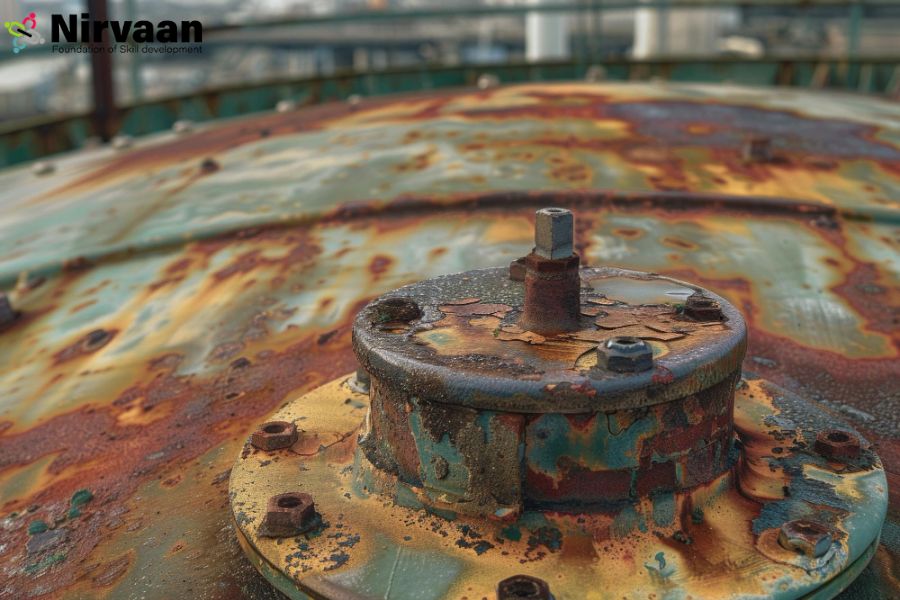
Metallic assets can be exposed to moisture, soil, seawater, chemicals and other electrolytes for extended periods. These environments can create conditions in which electrochemical corrosion takes place.
Cathodic protection helps address this problem by supplying or directing electrical current in a way that reduces the corrosion reaction on the protected structure.
When properly designed, installed, monitored and maintained, the system can become an important part of an organisation’s wider corrosion-control strategy.
How Does Cathodic Protection Work?
Corrosion involves electrochemical reactions. In a typical corrosion cell, an anodic area loses metal as atoms release electrons. The electrons move through the metallic structure towards a cathodic area, while ionic movement occurs through the surrounding electrolyte.
The purpose of cathodic protection is to make the structure behave as the cathode of the electrochemical cell. This reduces the tendency of the protected metal to undergo oxidation.
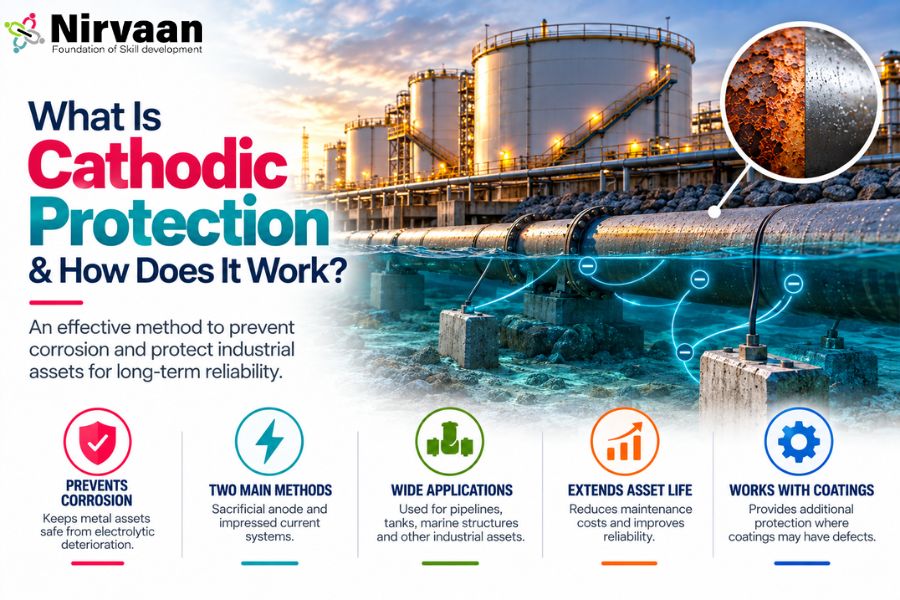
Two principal approaches are commonly used: sacrificial anode systems and impressed current systems. The choice depends on the asset, environment, design requirements and operating conditions.
What Is Sacrificial Anode Cathodic Protection?
A sacrificial anode system uses a more electrically active metal connected to the structure that needs protection. Common anode materials include zinc, magnesium and aluminium alloys, depending on the application.
The anode gradually consumes itself while providing the electrochemical protection required by the structure.
This approach is often used where relatively simple systems are suitable. It does not normally require an external power supply, although the appropriate design depends on the application and environmental conditions.
What Is Impressed Current Cathodic Protection?
An impressed current system uses an external DC power source, typically a rectifier, to supply protective current through suitable anodes.
Compared with sacrificial systems, impressed current arrangements can provide greater control over the amount of current delivered to the protected structure. They can therefore be suitable for larger assets or applications where greater current output is required.
However, proper design and ongoing monitoring are essential to ensure that the system operates within appropriate protection criteria.
Where Is Cathodic Protection Used?
Cathodic protection can be applied to a wide range of corrosion-sensitive metallic assets.
Common applications include underground pipelines, storage tanks, offshore structures, marine equipment, water systems and other infrastructure exposed to electrolytes.
For pipelines, the technology can complement external protective coatings. While a coating provides a physical barrier, protection can help protect areas where coating defects or discontinuities expose the underlying metal.
What Are the Benefits of Cathodic Protection?
One of the main benefits of cathodic protection is its ability to reduce corrosion-related deterioration when appropriately designed and managed.
It can support longer asset service life, reduce the frequency of major repairs and complement other corrosion-control measures. For critical infrastructure, this can contribute to improved asset integrity and operational reliability.
The technology can also support a proactive approach to corrosion management by allowing professionals to monitor protection levels and identify potential issues before significant deterioration occurs.
Why Is Monitoring Important?
Installing a system is only one part of effective corrosion management. Regular testing and monitoring are essential to determine whether cathodic protection is operating as intended.
Professionals may assess parameters such as structure-to-electrolyte potential, current output and system performance, depending on the type of installation.
If readings indicate inadequate protection, excessive protection or equipment problems, appropriate investigation and adjustment may be required.
What Skills Are Needed for Cathodic Protection?
Effective cathodic protection requires technical knowledge of corrosion, electrochemistry, electrical measurements, system design, inspection and field practices.
Professionals working with these systems need to understand how environmental conditions and asset characteristics influence protection requirements. Practical training can help them interpret field measurements, identify problems and apply appropriate procedures.
This is particularly important for organisations managing extensive pipelines, tanks, marine assets or other corrosion-sensitive infrastructure.
How Does Cathodic Protection Work Alongside Coatings?
Cathodic protection and protective coatings can work together as complementary corrosion-control measures.
A coating creates a barrier that separates the metal from its environment, reducing exposure to corrosive substances. However, coatings can develop defects, damage or discontinuities during application, transportation, installation or service.
Cathodic protection can provide additional protection at suitable exposed areas. Combining both approaches can therefore form part of a broader asset-integrity strategy.
Frequently Asked Questions
What is Cathodic Protection used for?
Cathodic Protection is used to reduce corrosion on metallic structures such as pipelines, storage tanks, offshore structures and marine equipment.
What are the two main types of Cathodic Protection?
The two main types are sacrificial anode systems and impressed current systems. Each has different design characteristics and applications.
Does Cathodic Protection stop corrosion completely?
It is designed to reduce corrosion on the protected structure, but its effectiveness depends on appropriate design, installation, monitoring and maintenance.
Nirvaan’s Perspective on Cathodic Protection
At Nirvaan Foundation of Skill Development, we view technical knowledge and practical capability as essential components of effective corrosion control. Cathodic is an important area of expertise for professionals responsible for protecting critical metallic infrastructure and industrial assets.
Through specialised training and skill-development programmes, Nirvaan aims to help professionals build practical knowledge in corrosion prevention and control. Its AMPP-focused learning opportunities include cathodic protection training across professional levels, supporting individuals who want to develop relevant technical competencies for industrial applications.
By strengthening professional skills and promoting greater awareness of corrosion-control practices, Nirvaan aims to contribute to safer, more reliable and longer-lasting infrastructure across India.
Image Reference: Magnific
Disclaimer: All trademarks, logos, and brand names are the property of their respective owners. All company, product, and service names used on this website are for identification purposes only. Use of these names, trademarks, and brands does not imply endorsement.