Coating Inspection | Quality Control & Asset Protection | Nirvaan
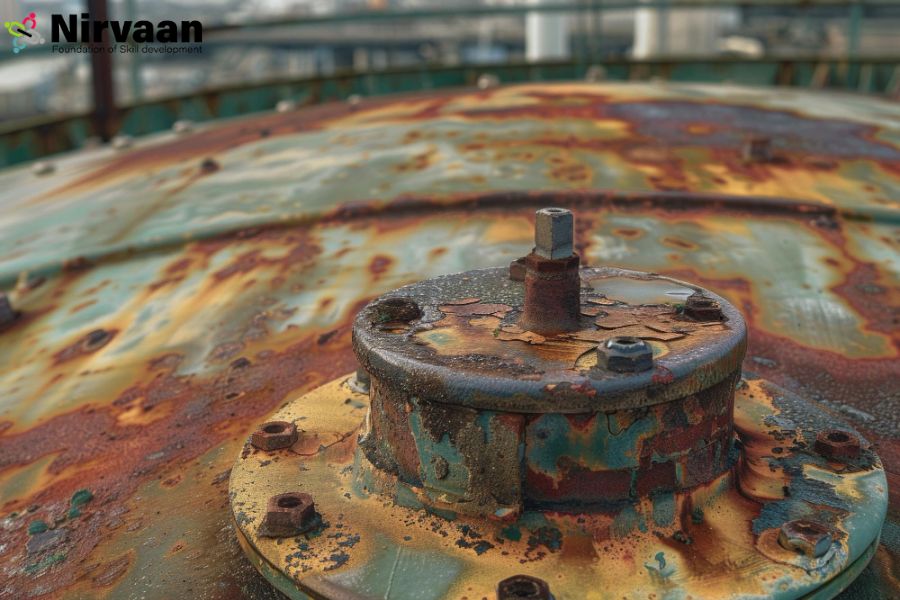
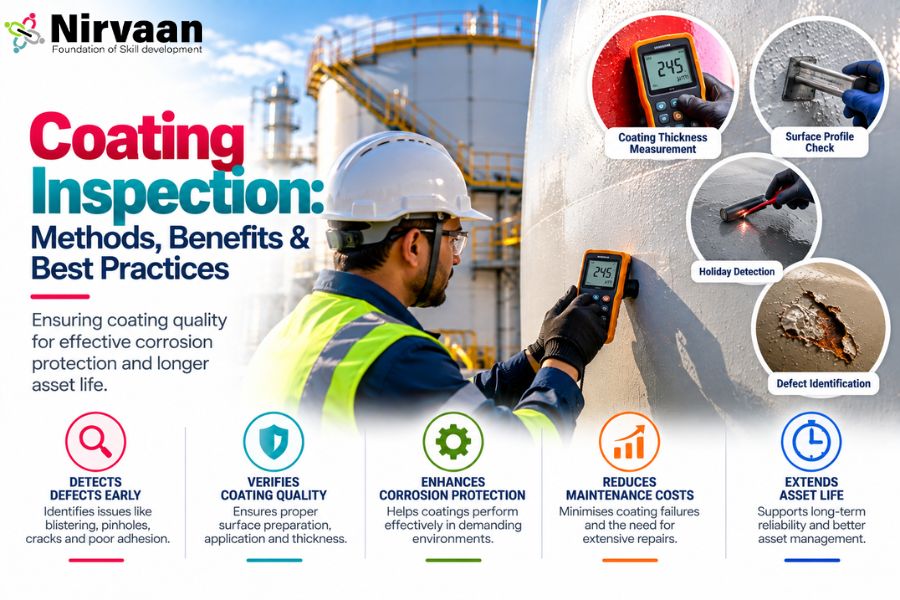
Protective coatings are a key line of defence for steel structures, pipe lines, storage tanks, marine equipment and industrial infrastructure. However, applying a coating does not ensure effective corrosion protection. Performance can be affected by surface preparation, environmental conditions, technique of application, thickness of coating and curing. That’s where coating inspection plays a critical role.
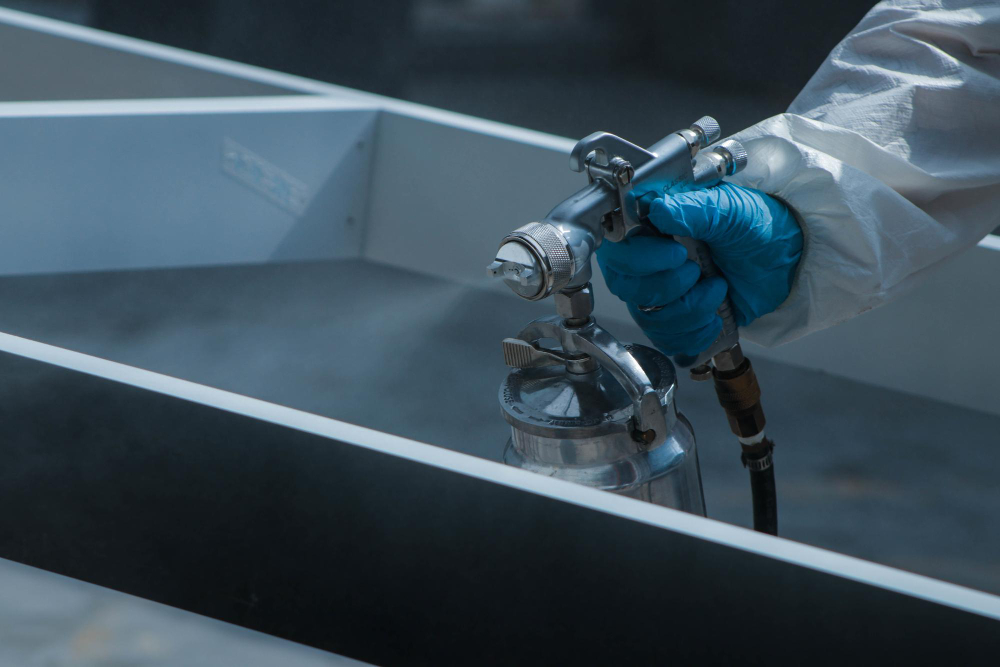
A systematic inspection process can confirm that a coating system has been prepared and applied to the specified requirements. It can detect early defects, provide documented quality evidence and support improved long-term asset management.
Why Is Coating Inspection Important?
Coating systems are designed to isolate a substrate from moisture, chemicals, salts, oxygen and other corrosive agents. A small defect, poor adhesion or unsuitable film thickness can compromise this barrier and create an opportunity for deterioration.
Coating inspection isn’t just about looking at the finished surface at the end of the coating process but is about systematically checking during the coating process. This enables inspectors to identify problems at a time when corrective action is still feasible.
For industrial assets operating in demanding environments, regular inspection can therefore help improve coating performance and corrosion-control practices.
What Are the Main Stages of Coating Inspection?
A professional coating inspection programme usually has three broad stages: pre-application, during application and post-application.
Inspectors may check the condition of the substrate, cleanliness, surface profile and environmental conditions prior to application. They can check mixing, application methods, recoat intervals and other requirements specified during application.
After application, the finished coating may be assessed for thickness, continuity, adhesion and visible defects. The exact inspection requirements depend on the coating system, asset and applicable specification.
What Is Checked Before Coating Application?
Surface preparation is a critical part of coating performance. Rust, mill scale, oil, grease, dust, soluble salts and other contaminants can interfere with adhesion.
Inspectors may verify the required level of surface cleanliness and measure the surface profile where necessary. Environmental conditions such as air temperature, relative humidity and substrate temperature can also be monitored.
Checking these factors before coating application helps reduce the possibility of premature coating failure.
How Is Dry Film Thickness Measured?
Dry Film Thickness, commonly called DFT, refers to the thickness of a cured coating. The required thickness range depends on the coating system and project specification.
In coating inspection, suitable thickness gauges may be used to verify that the applied film conforms to the required specification. Measurements shall be made according to the relevant inspection procedure and recorded correctly.
Coatings that are too thin or too thick can cause problems. However, a film that is too thin may not provide the desired barrier, and too much thickness may result in cracking, solvent entrapment or other defects in some coating systems.
What Are Common Coating Inspection Methods?
Several methods can be used depending on the coating system and inspection requirements. Visual examination is often the first step for identifying obvious surface defects.
Surface profile measurements help confirm whether the prepared substrate has the required texture. DFT measurements assess coating thickness, while adhesion testing can help evaluate how effectively the coating is bonded to the substrate.
Holiday detection can identify discontinuities such as pinholes and small breaks in coatings where continuous protection is required. Other specialised techniques may be selected according to the asset, coating system and applicable standards.
How Are Coating Defects Identified?
Blistering, cracking, peeling, pin holes, runs, sags, dry spray and poor adhesion are some typical coating defects. Some defects can be detected on the product, others need the use of instruments or specific testing methods.
Coating inspection is not only about finding the defect. The inspector should also consider the possible cause, extent and significance of it so as to determine proper corrective action.
Accurate reporting is important as the findings of inspections may affect decisions on repair, acceptance of completed work and future maintenance planning.
What Are the Benefits of Coating Inspection?
A well thought out coating inspection programme can provide a number of practical benefits. It is useful to check coating quality, aids corrosion protection and reduces the likelihood of defects passing unnoticed.
Early identification can make repairs more manageable and may help avoid extensive remedial work after an asset enters service. Inspection records can also provide useful information for future maintenance and asset-integrity decisions.
For industrial organisations, consistent inspection can support better quality control, improved reliability and more informed maintenance planning.
What Are Best Practices for Coating Inspection?
Good inspection begins with a clear specification and defined acceptance criteria. Inspectors should understand the coating system, substrate, application requirements and relevant standards before work begins.
Inspection instruments should be suitable, maintained and appropriately calibrated. Measurements should be recorded systematically, with sufficient information to trace findings to the relevant area or component.
Communication between inspectors, applicators, engineers and project teams is also important. Clear documentation of non-conformities and corrective actions can help prevent recurring problems.
Why Do Skilled Coating Inspectors Matter?
Coating quality depends on professionals who can recognise potential problems and interpret inspection results correctly. A trained inspector needs practical knowledge of surface preparation, coating materials, environmental conditions, application processes and testing equipment.
Professional development can therefore play an important role in building reliable coating-inspection capability. Training helps professionals develop consistent inspection practices and understand how technical requirements translate into real field conditions.
For complex industrial projects, competent inspectors can contribute to better quality assurance and more effective corrosion-control decisions.
Frequently Asked Questions
Why is Coating Inspection training important?
Training helps professionals understand inspection procedures, testing equipment, coating requirements and field conditions so that coating quality can be assessed consistently.
Can Coating Inspection prevent corrosion?
Inspection does not itself prevent corrosion, but it helps verify whether a protective coating has been properly prepared and applied, supporting effective corrosion-control measures.
What is holiday detection?
Holiday detection is a testing method used to identify discontinuities such as pinholes or breaks in a coating that could expose the underlying substrate.
Nirvaan’s Perspective on Coating Inspection
At Nirvaan Foundation of Skill Development, we recognise that high-quality coating systems depend on more than materials and application equipment. Skilled professionals are essential for checking surface preparation, environmental conditions, coating thickness, defects and overall application quality.
Nirvaan supports professional skill development through specialised training and AMPP-focused Coating Inspector certification pathways. Through practical, industry-oriented learning, Nirvaan aims to help professionals build the knowledge required to carry out effective inspection and contribute to stronger corrosion-control practices.
By developing competent coating-inspection professionals, Nirvaan seeks to support industries in protecting valuable assets, improving maintenance practices and extending the service life of critical infrastructure across India.
Image Reference: Magnific
Disclaimer: All trademarks, logos, and brand names are the property of their respective owners. All company, product, and service names used in this website are for identification purposes only. Use of these names, trademarks, and brands does not imply endorsement.