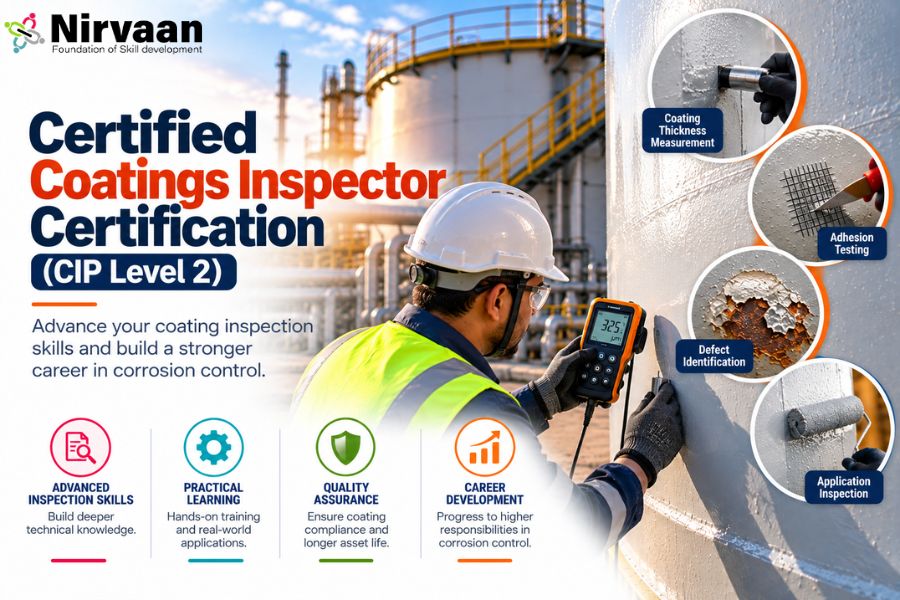

Basic Coatings Inspector Certification | Inspection Skills & Career Growth
Protective coatings are essential for the protection of steel structures, pipelines, storage tanks, marine equipment and industrial infrastructure from corrosion. However, a coating system’s effectiveness is not only dependent on the material being applied, but also surface preparation, environmental conditions, application quality and inspection. This makes trained coating inspectors an important part of protecting industrial assets.
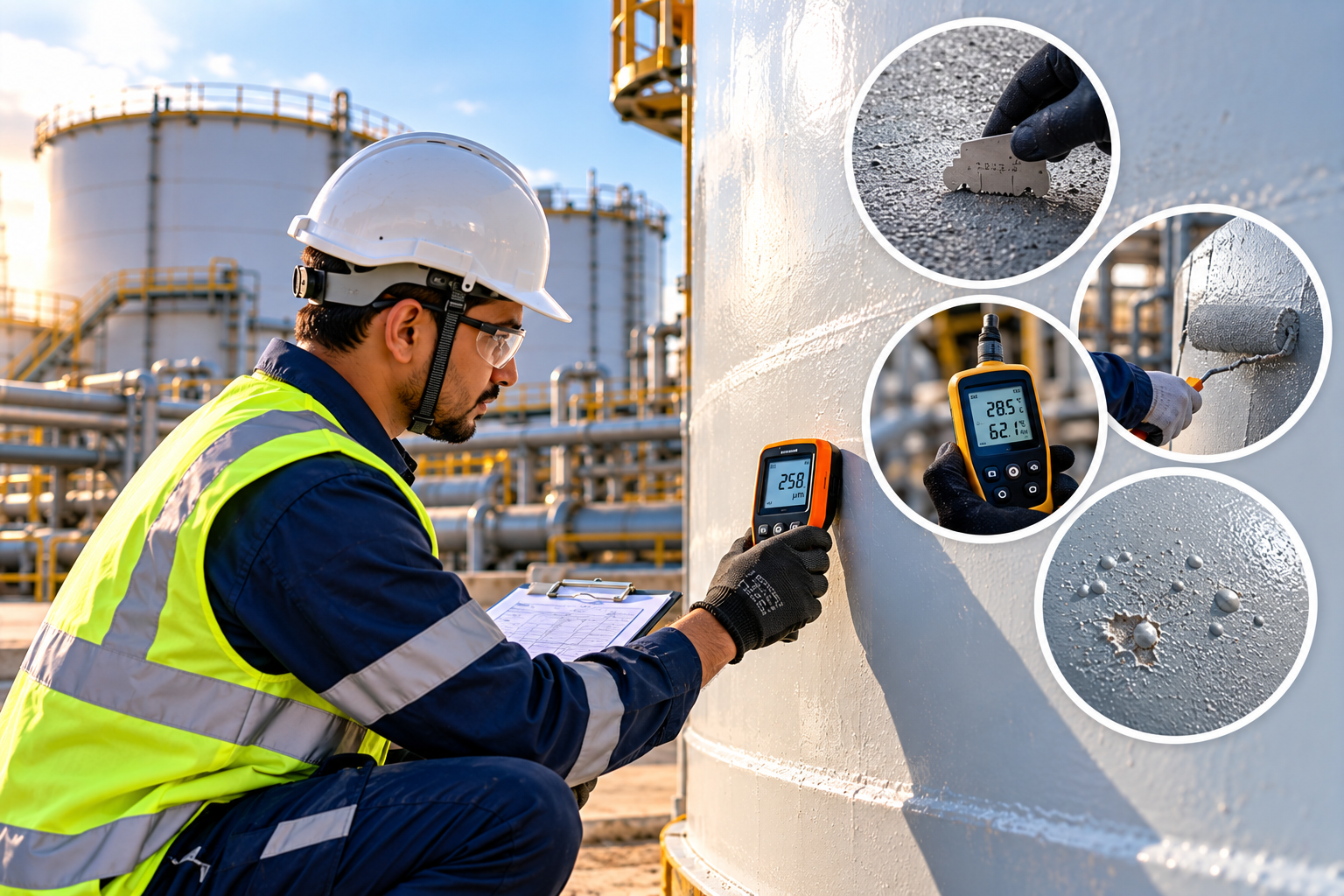
The Basic Coatings Inspector Certification (CIP Level 1) provides a foundation for individuals who want to develop practical knowledge of coating inspection. It introduces learners to the principles and procedures involved in evaluating coating work and understanding whether specified requirements have been achieved.
What Is the Basic Coatings Inspector Certification (CIP Level 1)?
The Basic Coatings Inspector Certification (CIP Level 1) is an entry-level professional pathway for those who want to learn the basic knowledge and skills needed for protective coatings inspection.
Important concepts related to coating projects such as surface preparation, coating application, environmental conditions, inspection equipment and documentation are covered in the programme. These areas help learners understand the impact coating quality can have on corrosion protection and asset performance.
This is especially true for those just beginning their careers in coatings, inspection, corrosion control, maintenance or other related industrial disciplines.
Why Is Coating Inspection Important?
Protective coatings are barriers between a substrate and its surrounding environment. If that barrier is made or put on wrong, moisture, salts, chemicals, and other corrosive substances can get to the material underneath it.
Inspection detects potential problems before they become larger asset integrity problems. The inspector can inspect the surface cleanliness, environmental conditions, coating thickness, and visible defects at various points in the project.
The Basic Coatings Inspector Certification (CIP Level 1) helps learners develop an understanding of these fundamental inspection activities and their importance in industrial environments.
What Skills Can Learners Develop?
A key objective of the Basic Coatings Inspector Certification (CIP Level 1) is to establish a strong technical foundation.
Learners can develop an understanding of:
- Basic corrosion and coating principles
- Surface preparation requirements
- Environmental conditions affecting coating work
- Coating application processes
- Inspection instruments and measurements
- Common coating defects
- Basic inspection documentation
- Quality-control practices
These skills can help beginners understand how coating specifications are translated into practical field inspection activities.
What Does a Basic Coating Inspector Do?
A coating inspector may be present to verify that coating work is in compliance with project requirements. Depending on the level of responsibility for the role, duties could include observing surface preparation, checking environmental conditions, recording measurements and spotting visible coating defects.
The inspector shall also maintain inspection records and shall communicate findings to appropriate project personnel.
The Basic Coatings Inspector Certification (CIP Level 1) provides a foundation for understanding these responsibilities, although actual job duties will depend on an individual’s employer, experience and project requirements.
What Is Surface Preparation?
Surface preparation is a critical stage before protective coating application. Contaminants such as rust, oil, grease, dust, salts and other unwanted materials can affect coating adhesion and performance.
An inspector needs to understand why the substrate must meet specified preparation requirements before coating begins. Surface condition, cleanliness and profile can all influence the performance of the completed coating system.
Understanding these fundamentals is an important component of the Basic Coatings Inspector Certification (CIP Level 1) pathway.
Why Are Environmental Conditions Important?
Coating materials are sensitive to temperature, humidity, substrate temperature and condensation. Applying a coating under the wrong conditions may affect adhesion, curing or long term performance.
The coating inspector should therefore be aware of the relationship between environmental conditions and the application of the coating. Appropriate measurements and documentation can help determine if conditions are appropriate according to the applicable specification.
This practical awareness is one of the areas covered when developing skills through the Basic Coatings Inspector Certification (CIP Level 1).
What Career Opportunities Can It Support?
The Basic Coatings Inspector Certification (CIP Level 1) can provide a starting point for individuals interested in coating inspection and corrosion-control careers.
Depending on their qualifications, experience and the requirements of their employers, professionals may move into roles related to coating inspection, quality control, corrosion protection, maintenance and industrial asset management.
Further education and hands-on experience can also help professionals move into higher-level coating-inspection responsibilities and certification levels.
Who Should Consider This Certification?
The Basic Coatings Inspector Certification (CIP Level 1) can be appropriate for graduates, technicians, engineers, and quality personnel, as well as coating professionals and those seeking to enter the corrosion-control field.
It may also be useful for professionals already working around industrial assets that want to strengthen their knowledge of protective coatings and inspection practices.
The programme will be suitable depending on the learner’s background, their career goals and any prerequisites associated with the particular training pathway.
Frequently Asked Questions
What is Basic Coatings Inspector Certification (CIP Level 1)?
It is an entry-level certification pathway focused on developing foundational knowledge of protective coatings and coating inspection practices.
Who can pursue this certification?
It can be considered by individuals interested in coating inspection, corrosion control, quality assurance, maintenance and related industrial fields, subject to applicable course requirements.
What does a coating inspector inspect?
Depending on the project, an inspector may check surface preparation, environmental conditions, coating application, thickness, defects and documentation against specified requirements.
Closing Insights – Nirvaan’s Perspective on Basic Coatings Inspector Certification
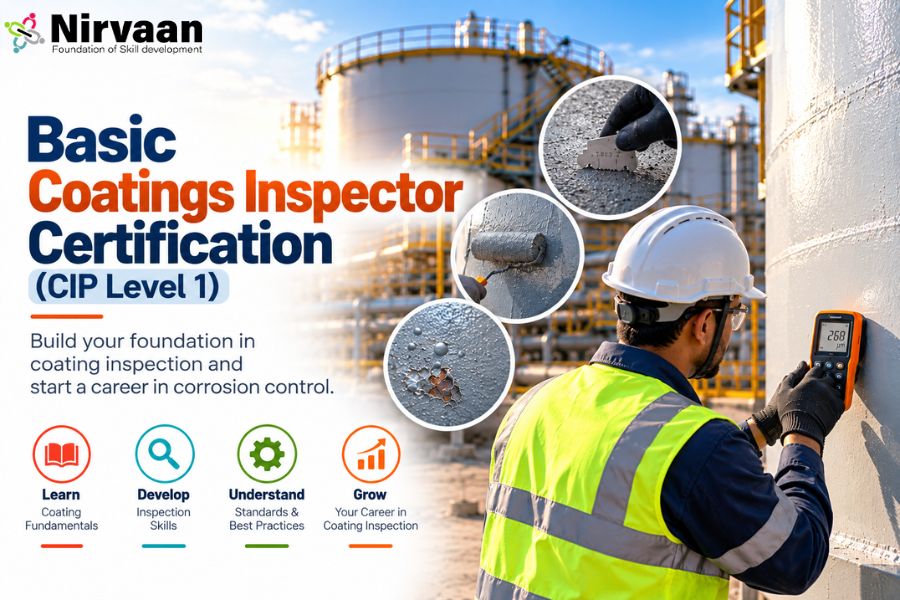
At Nirvaan Foundation of Skill Development, we believe that effective corrosion prevention begins with developing professionals who understand how protective coatings should be prepared, applied and inspected. The Basic Coatings Inspector Certification (CIP Level 1) represents an important starting point for individuals entering this specialised field.
Nirvaan supports training with an industry background and AMPP related certification pathways for professional skill development. We want to bridge technical learning and practical understanding to help professionals acquire skills that are relevant to actual industrial settings.
Nirvaan aims to equip aspiring coating inspectors with a strong foundation in inspection principles to contribute to a more capable corrosion-control workforce and better protection of industrial assets across India.
Image Reference: Magnific
Disclaimer: All trademarks, logos, and brand names are the property of their respective owners. All company, product, and service names used in this website are for identification purposes only. Use of these names, trademarks, and brands does not imply endorsement.